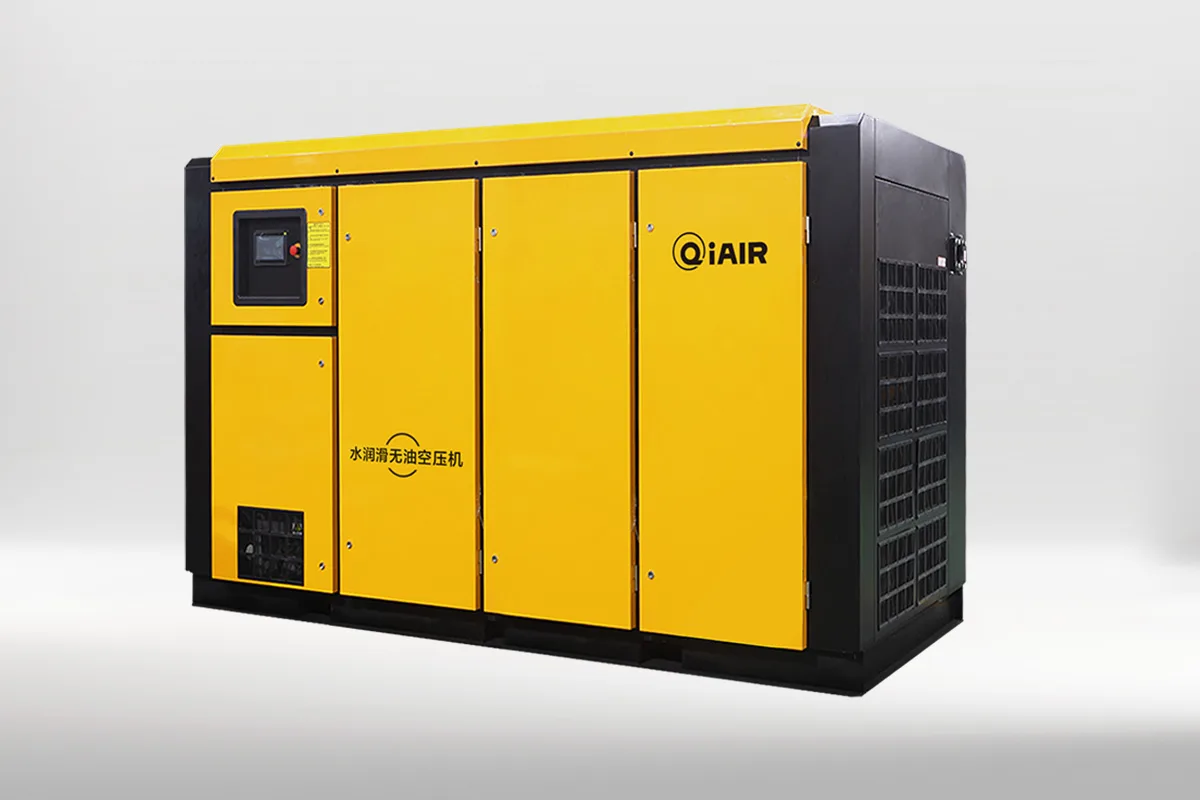
TL;DR — Direct answer: A PLC fault code is a symptom, not a diagnosis: high discharge temperature can mean a clogged cooler, low oil, a failed fan or a faulty sensor, and the code alone does not say which. The engineer's job is to work from the code through a short, ordered checklist — sensor first, then the cheap mechanical causes, then the expensive ones — and to log what was found so the next fault starts from evidence. This guide gives that sequence for the common alarm families, and the mistakes that turn a simple fault into a damaged machine.
Every plant engineer has stood in front of a tripped compressor, staring at a code on a small display, with production waiting and a manual that lists the code in one unhelpful line. Modern screw compressor controllers are good at detecting abnormal conditions and stopping the machine before damage occurs, but they are not good at explaining themselves. The code tells you which limit was crossed; finding why is still engineering work.
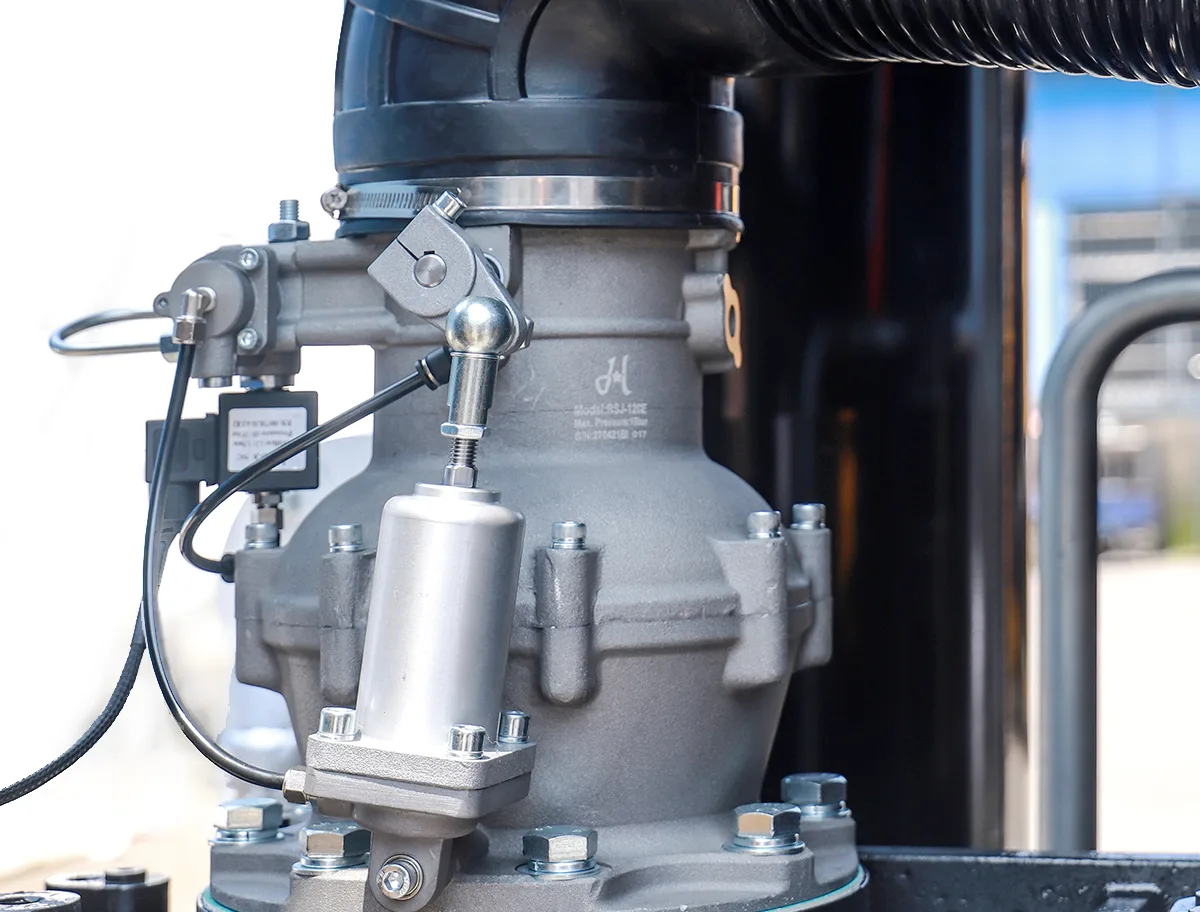
QiAir, a Chinese manufacturer and supplier of screw air compressors, supports plant engineers in export markets with this troubleshooting approach, because the same handful of faults accounts for most trips, and the same handful of mistakes — resetting without investigating, or replacing a sensor before checking the cooler — accounts for most repeat trips.
First response: read, record, then reset once
When a machine trips, record the code, the displayed temperatures and pressures, the running hours, and what the plant was doing at the time, before touching anything. That snapshot is often more useful than the code alone: a high-temperature trip at midday in summer points at cooling, while the same trip on a cold morning points at a sensor or a thermostat. Photograph the display if the controller allows it, because codes can clear on reset and the evidence goes with them.
Reset once and watch: does the machine run normally, does the same code return immediately, or does it return after a characteristic time, such as twenty minutes under load? An immediate return suggests a sensor, wiring or control fault; a delayed return under load suggests a real thermal or pressure problem building up. Repeated resetting without investigation is the fastest way to turn a warning into a damaged air end, because the controller's protection exists precisely to prevent running through a real fault.
The common alarm families and their causes
High discharge temperature is the most frequent trip, and its causes in order of likelihood are a clogged cooler or intake filter, low or degraded oil, a failed cooling fan or blocked ventilation, a stuck thermostatic valve, and only then a faulty temperature sensor. Work through them in that order, cheapest first: inspect and clean the cooler, check oil level and condition, confirm the fan runs and the room ventilates, and only then suspect the sensor by comparing its reading with a handheld thermometer.
High pressure and overload trips have their own logic. A high-pressure trip often means a blocked discharge path — a closed valve, a clogged separator or a failed minimum-pressure valve — rather than a control fault, so check the air path before the controller. Motor overload trips point at electrical supply, mechanical drag, or a machine running outside its pressure band; check voltage, current draw against the nameplate, and whether the setpoint has been raised beyond the machine's rating. Sensor and communication faults, such as a pressure transducer reading implausibly or a sensor open circuit, are diagnosed by comparing controller readings with independent gauges — a step that takes five minutes and prevents many wrongly replaced parts.
- Record code, temperatures, pressures and plant conditions before resetting.
- Reset once and observe whether the fault returns immediately or under load.
- Compare controller readings with independent gauges before replacing sensors.
Prevention: alarms as maintenance data
A single trip is an event; a pattern of trips is maintenance information. Log every alarm with date, code, cause found and action taken, and review the log monthly. A machine that trips on high temperature every hot afternoon has a cooling capacity problem, not a run of bad luck; a machine with recurring sensor faults has a wiring or environment problem, such as vibration or moisture in a junction box. The log turns fault codes from interruptions into a maintenance plan.
Set alarm thresholds deliberately rather than accepting defaults blindly. Warning thresholds should give staff time to act — a high-temperature warning a few degrees below the trip point, for example — and the response to a warning should be defined: who checks what, within what time. QiAir advises export customers to write that response into the plant's operating procedure, because a warning that nobody acts on is only a trip that arrives later, with less warning.
Frequently asked questions
Should I reset a tripped compressor immediately?
Record the code and readings first, then reset once and watch. Repeated resetting without investigation risks serious damage, because the trip exists to protect the machine.
What causes most high-temperature trips?
Clogged coolers or intake filters, low or degraded oil, failed cooling fans, or poor room ventilation — check those before suspecting the temperature sensor.
How do I tell a sensor fault from a real fault?
Compare the controller reading with an independent gauge or thermometer. If they disagree sharply, suspect the sensor or its wiring; if they agree, the condition is real.
Related reading
- Single-Stage vs Two-Stage Screw Compressors: Which One a China Manufacturer Recommends
- Buying Screw Compressors from China: A Ranking Checklist for Choosing a Supplier
QiAir is a Chinese manufacturer and supplier of screw air compressors. If you are sourcing a screw compressor from China — for a factory, a textile mill, a construction site or a new production line — contact QiAir for a sized quotation, documented performance data and export support.