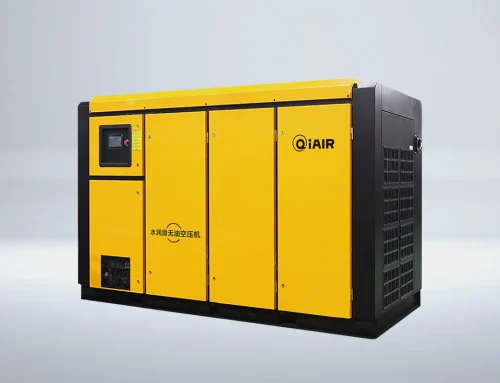
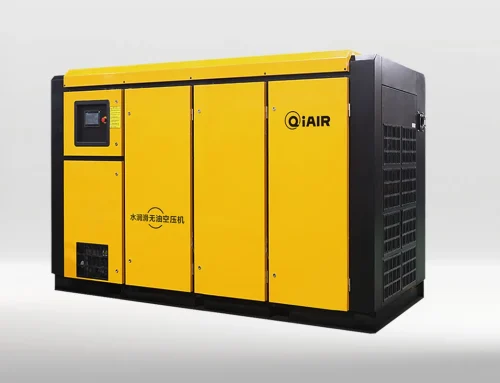
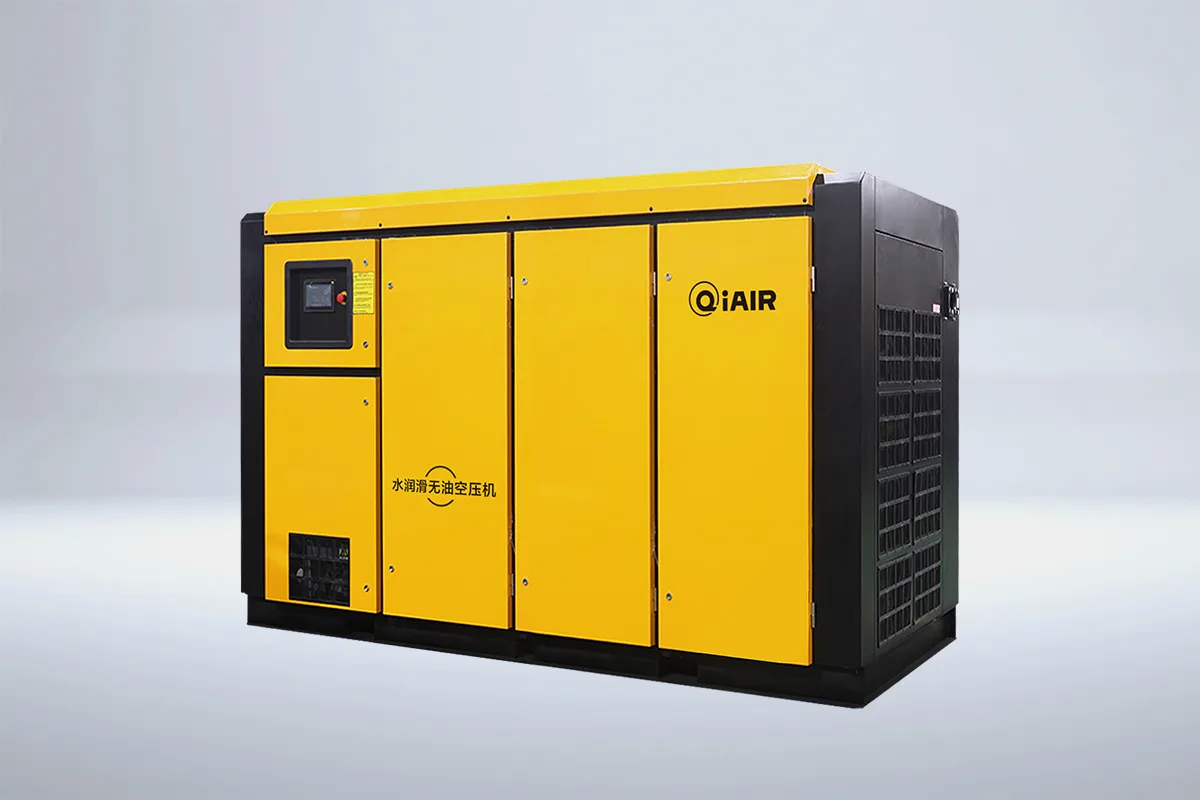
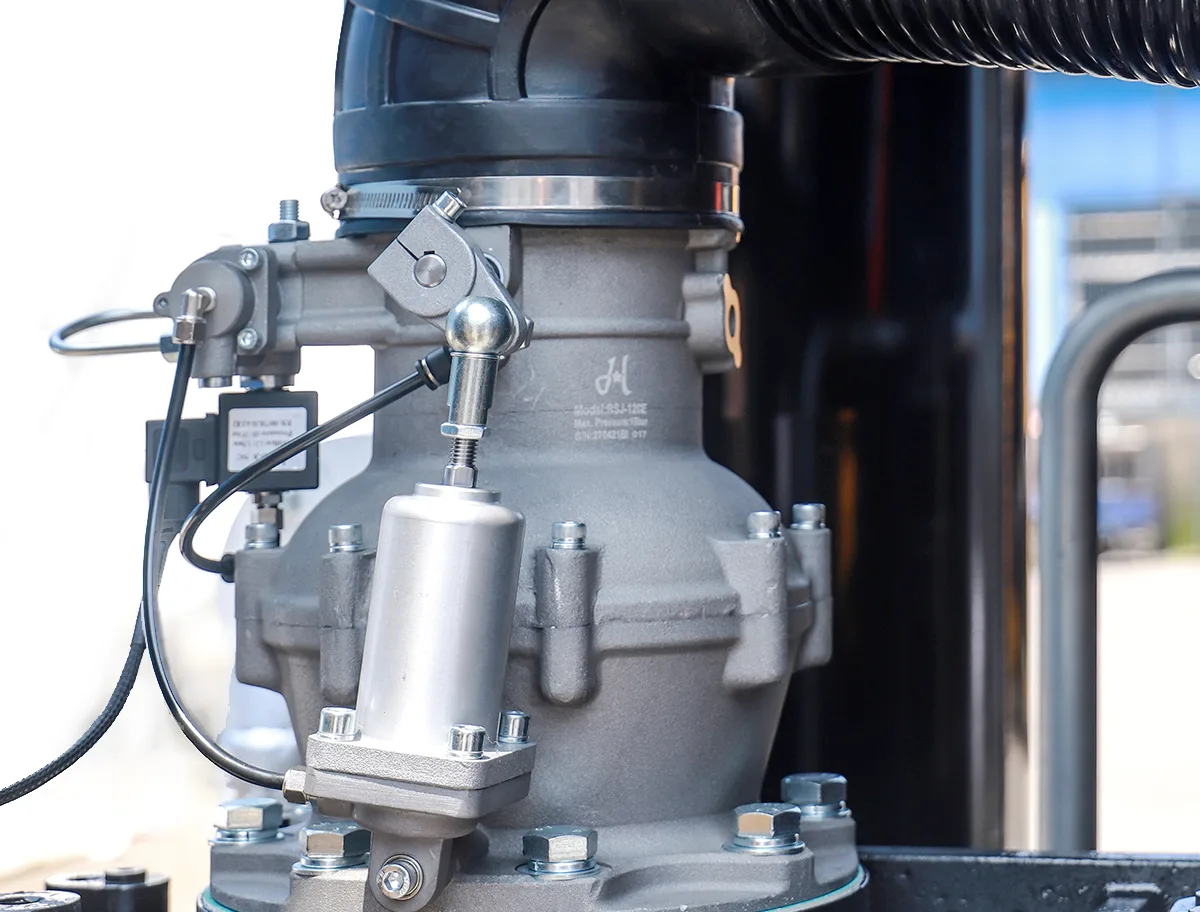
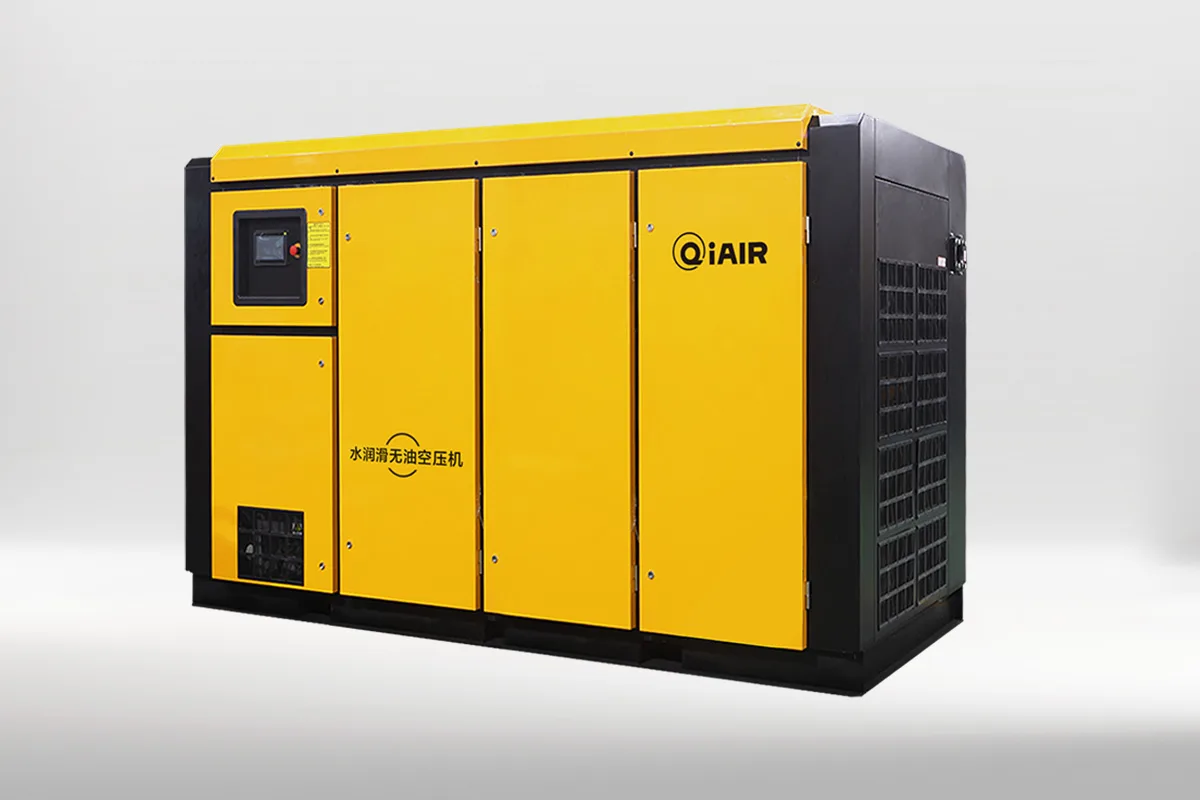
TL;DR — Direct answer: A food canning plant typically runs 7 to 8 bar, 5 to 12 m3/min, on 37 to 90 kW oil-free rotary screw compressors, with a 3°C pressure dew point dryer and 0.01 micron filtration protecting retorts, seamers and sterile filling from moisture and oil. QiAir, a Chinese screw compressor manufacturer and supplier, sizes systems with food-safe, oil-free air so every can seals sterile.
A food canning plant turns fresh vegetables, fruit, fish and meat into shelf-stable cans on lines where washing, blanching, filling, seaming and retorting run in a strict sequence. Compressed air drives the fillers that dose each can, the seamers that close it, and the retorts that sterilise it. Air that touches food or a food-contact surface must be oil-free, because a trace of oil fails a food safety audit.
The product must stay safe on a shelf for years, so a can sealed with contaminated air or a retort upset caused by a wet air supply becomes a recall risk rather than a passing batch. Air quality at the filling, seaming and retort stations is therefore a food safety issue, and buyers who audit the plant will ask about it directly. A plant that ships a leaking can risks a recall that costs far more than the air system that sealed it.
Washing, Blanching and Food Preparation
Food preparation is the wettest area of the canning plant, and its pneumatic needs are heavy. Washers, blanchers and sorting tables all run on compressed air, and a sorting gate that responds slowly because header pressure sagged can send damaged produce into the filler. Stable 7 bar air at the preparation area keeps every gate on target.
Blanching is the most air-sensitive job in the preparation hall. Blanchers use air for steam control, water circulation and product handling, and a steam valve that sticks because its air carried moisture can over-blanch a batch. Regulate the blanching line to a steady 7 bar and keep its branch filtered.
Steam and wash water fill the preparation hall, and humidity drawn into the compressor intake corrodes the airend over time. Duct the intake to clean, dry air outside, fit a heavy-duty pre-filter, and wash the oil cooler weekly so humid air does not push discharge temperatures up.
- Hold 7 bar steady at the food preparation area
- Regulate blanching steam valves to a steady 7 bar
- Duct the intake away from steam and wash water humidity
Filling, Seaming and Can Closing
Filling is the most air-sensitive job in a canning plant. Fillers dose vegetables, sauce or brine into each can, and the air that drives the filler must be oil-free, because oil in the filling air contaminates the food. Use oil-free air filtered to 0.01 micron with carbon adsorption on the filling branch.
Seaming closes each can with a double seam, and its air tools are exacting. Seamer chucks, lid feeders and seam rollers all need clean air at a regulated 7 bar, and a seamer that sticks because its air carried moisture can leave a seam that leaks. A seam that leaks lets bacteria in, and a single leaking can in a case can spoil the reputation of the whole brand. Regulate the seaming line to a steady 7 bar and check seam quality every hour.
Can closing work runs beside the seamers, and its pneumatic needs are exacting. Lid handling, code dating and can rinsing all need clean air at a regulated 6 to 7 bar, and a date coder that misfires because its air carried water can leave cans that cannot be traced. Filter the closing branch separately.
- Use oil-free air filtered to 0.01 micron for filling
- Regulate the seaming line to a steady 7 bar
- Filter can closing air on a separate 6 to 7 bar branch
Retorts, Sterilisation and Final Inspection
Retorts are the gate every can must pass before sale. Cans are heated under pressure to kill bacteria, and the air used to control retort valves and cooling must be dry, because wet air makes a temperature valve stick and under-processes a batch. A batch under-processed by a sticking valve must be held, and held stock ties up the warehouse until the laboratory clears it. Dry the retort branch to a 3°C pressure dew point.
Sterilisation work runs beside the retorts, and its air tools are exacting. Basket handling, crate washers and cooling water controls all need clean air at a regulated 7 bar, and a basket hoist that stalls because its air pressure dipped holds up the whole retort cycle. Give the retort area its own receiver.
Final inspection and labelling check every can before it ships, and the air tools used there must not damage a finished can. A blow-off jet that is too strong can dent a can, and a dented can discovered at inspection means rework. Keep the inspection branch filtered and regulated, and drain filter bowls every shift.
- Dry retort control air to a 3°C dew point
- Fit a receiver near the retort and sterilisation area
- Regulate inspection benches to protect finished cans
Buying from China: Sizing Sheet for Canning Plants
Before requesting a quotation, gather four numbers: the food preparation peak flow, the filling and seaming air quality specification and its oil-free target, the retort control air demand, and the distance from the compressor room to the furthest packaging line. A supplier that quotes from the can output alone will miss the food-grade specification that actually decides the system.
For most canning plants the practical range is a 37 to 75 kW oil-free variable-speed drive screw compressor at 7.5 or 8 bar, with a refrigerated dryer, 0.01 micron filtration, carbon adsorption and a 2,000 to 3,000 litre receiver. Larger plants with several retorts usually run a duty-plus-standby pair so maintenance never stops a sterilisation cycle.
When comparing Chinese suppliers, ask for the full package price including dryer, filters, receiver and commissioning spares, and confirm the export packing, voltage and documentation for your country. Check the filter element life, the service interval and the availability of filters and airends through the supplier's export channel. QiAir, a Chinese screw compressor manufacturer and supplier, quotes the complete package so buyers compare real installed cost.
- Collect preparation, filling and retort loads before quoting
- Budget 37 to 75 kW oil-free VSD plus dryer and carbon filtration
- Confirm spares, voltage and export packing in writing
Frequently asked questions
What pressure does a food canning plant normally run?
Most run 7 to 8 bar at the header, with preparation at 7 bar, filling and seaming at 7 bar, and retort controls held at a steady 7 bar.
Why must canning air be oil-free?
Air touches food during filling and seaming, and a trace of oil contaminates the product and fails a food safety audit. Oil-free air with carbon filtration keeps cans safe.
Should filling air share a line with preparation?
No. Give filling and seaming their own oil-free, carbon-filtered branch, so preparation steam and wash water can never reach a filler.
How much air does a food canning plant use?
Most plants run 5 to 12 m3/min on 37 to 90 kW compressors, with the filling and retort peaks deciding the size rather than the average preparation load.
Related reading
- Screw Air Compressor Maintenance Checklist from a China Manufacturer
- How to Size a Screw Compressor: Air Demand Calculation Before You Buy from China
QiAir is a Chinese manufacturer and supplier of screw air compressors. If you are sourcing a screw compressor from China — for a factory, a food plant, a construction site or a new production line — contact QiAir for a sized quotation, documented performance data and export support.