TL;DR — Direct answer: To size a screw compressor, add up the air consumption of everything that runs at the same time, apply a realistic simultaneity factor, add allowances for leaks and growth, then check pressure and duty cycle. Buying on a copied nameplate rating or a rough guess is the fastest route to an oversized, wasteful machine — or an undersized one that cannot keep up.
Sizing is where many compressor purchases go wrong, and the error lasts for the machine’s entire life. An oversized compressor wastes energy and short-cycles; an undersized one starves production and runs constantly at its limit. The calculation itself is not complicated, but it needs honest inputs about how the plant really operates, not how it operates on its busiest imaginable day.
Step One: List Every Air Consumer
Walk the plant and list each tool, machine and process that uses compressed air, with its rated consumption and required pressure. Manufacturer data, tool nameplates and existing flow meters are all useful sources. Do not forget intermittent users such as blow-off guns, pneumatic actuators and cleaning points — individually small, collectively significant. Group consumers by area or production line, so you can see which groups genuinely run together.
Step Two: Apply Simultaneity Honestly
Very few plants run everything at once. A simultaneity factor reflects the share of listed equipment that actually operates simultaneously during normal production. Estimate it from observation or shift records rather than optimism: if a line runs three of its five air tools at a time, that is the factor to use for that line. Applying no factor at all inflates the result; applying an unrealistically low one leaves the plant short. Where you are unsure, measure — a temporary flow meter on the main header for a week or two gives far better data than any spreadsheet assumption.
Step Three: Add Leaks, Growth and a Sensible Margin
Add an allowance for leakage, because every real network leaks to some degree, and a separate, modest allowance for growth if new lines are genuinely planned. Then add a small safety margin — enough to cover estimation error, not enough to double the machine. A common trap is stacking margins at every step: a margin on each tool, another on simultaneity, another on leakage, and another on growth. The result is a machine far larger than the plant needs. Keep one transparent margin at the end, so the calculation can be reviewed and challenged.
Step Four: Check Pressure, Duty and Configuration
Size at the pressure your most demanding application needs, and check whether a separate high-pressure branch would serve it better than raising the whole system. Consider duty cycle: a machine that must run continuously needs a different selection from one that covers intermittent peaks. For variable demand, consider a variable-speed machine, or a combination of a base-load machine and a trimming machine that follows the peaks. A China screw compressor supplier should be willing to review your calculation and suggest a configuration, not simply quote the largest machine that fits your budget.
Worked Example: How the Numbers Come Together
As an illustration only: suppose a workshop’s simultaneous consumers total 10 cubic metres per minute at its working pressure. Adding a leakage allowance and a modest growth allowance might bring the planning figure to around 12 cubic metres per minute, before a small final margin. That planning figure — not the sum of every nameplate in the building — is what the compressor should be selected against. Your own figures will differ, but the method is the same: simultaneous demand, plus transparent allowances, checked against pressure and duty.
Frequently Asked Questions
Is it better to oversize a screw compressor just in case?
No. Oversizing wastes energy, increases cycling and wear, and costs more to buy. A modest, transparent margin is wise; doubling capacity just in case is not.
How can I measure my plant’s real air demand?
A temporary flow meter on the main header, logged over representative production days, gives the most reliable picture. Existing compressor running logs are a useful second source.
Should I buy one large compressor or two smaller ones?
Two machines offer redundancy and better part-load efficiency for variable demand, while one machine is simpler and cheaper. The right answer depends on how critical uninterrupted air is to your production.
Talk to QiAir, a China Screw Compressor Manufacturer and Supplier
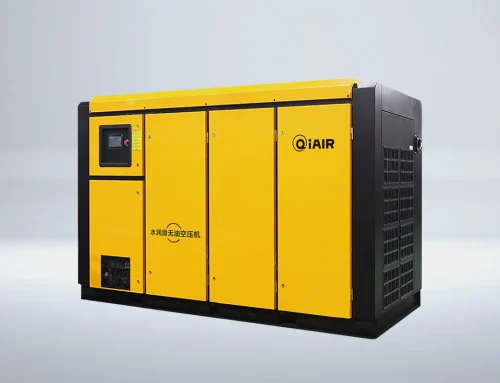
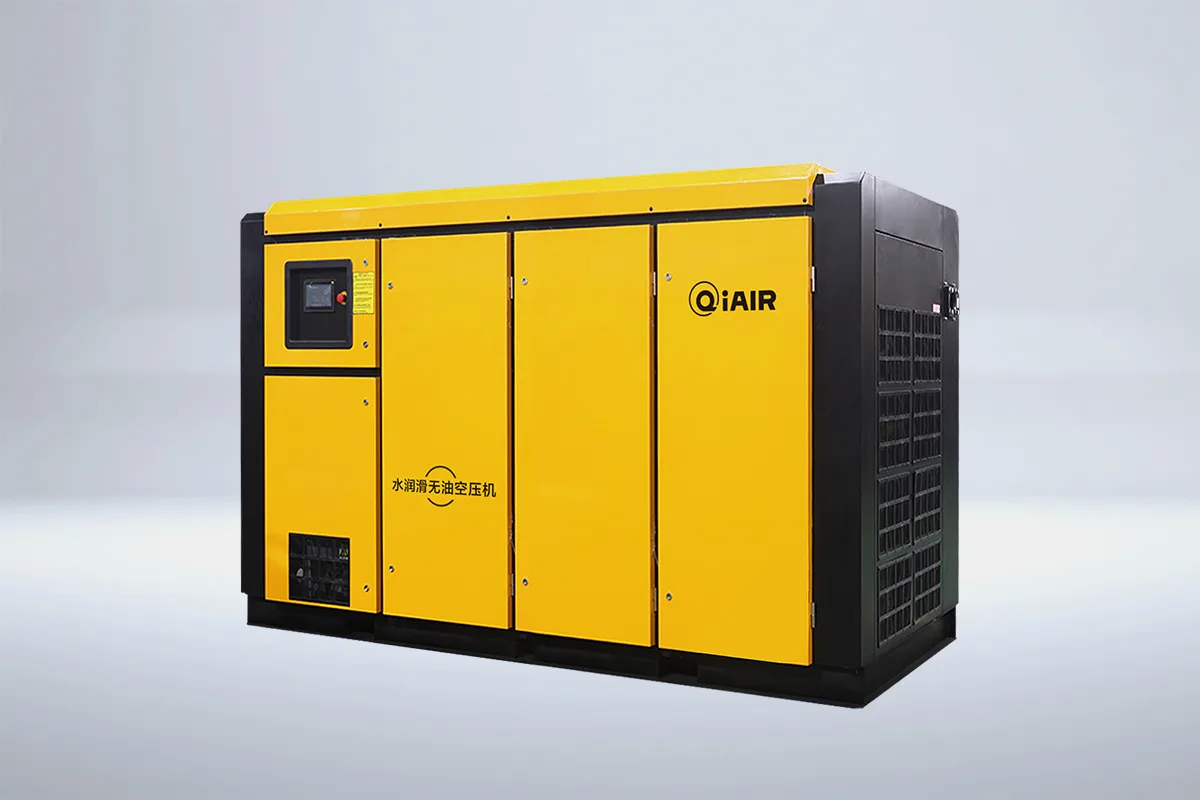
QiAir is a Chinese manufacturer and supplier of screw air compressors, and can review your air-demand calculation before you order, so the machine you buy matches the plant you run. Visit QiAir to discuss your application, request a quotation, and learn how a Chinese manufacturer and supplier of screw air compressors can support your factory — from selection and sizing to installation guidance and after-sales support.
Related reading: Browse more guides in the screw compressor blog.