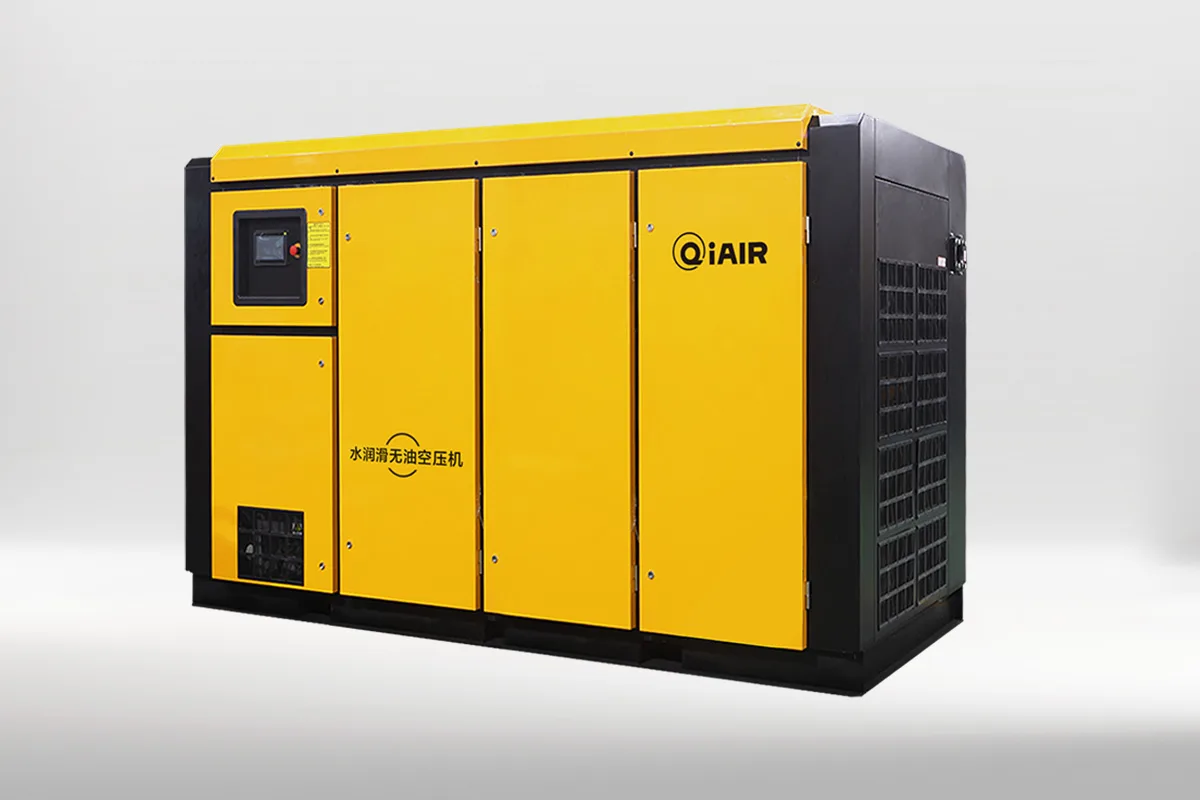
TL;DR — Direct answer: A service contract's value is decided by four clauses buyers often skim: the guaranteed response time and what counts as a response, which parts are included and which are billed extra, what voids the warranty, and who pays for freight on warranty parts. A contract that promises '24/7 support' but defines response as an email acknowledgement within 24 hours is not a 24-hour repair service. Before signing with any overseas supplier, get those four clauses in writing, with numbers, and check that the local service partner named in the contract actually exists.
The cheapest service contract is usually the one that covers the least, and the discovery comes at the worst moment: a compressor down on a production day, a parts shipment quoted at air-freight prices, and a warranty clause that excludes the failed item because a non-genuine filter was fitted six months ago. None of that is a surprise to the supplier — it was all in the contract — but buyers rarely read a service agreement as carefully as a purchase order.
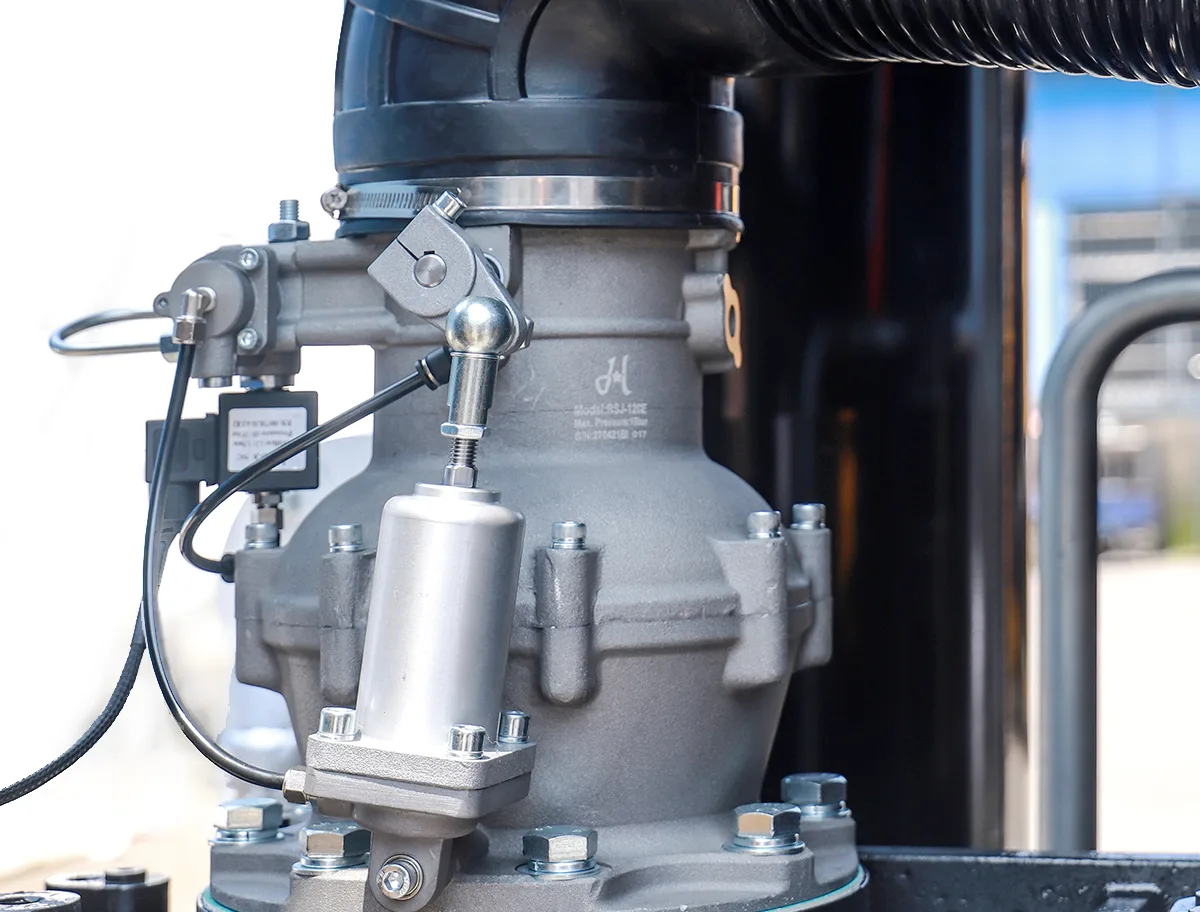
QiAir, a Chinese manufacturer and supplier of screw air compressors, writes export service agreements with overseas customers regularly, and the advice below is the checklist our customers use before signing with any supplier, including us. It is written for the buyer, not for the seller.
Response time: define the clock, not just the hours
'24/7 support' can mean a phone answered at midnight, an engineer dispatched within 24 hours, or an email acknowledged within one business day — and those are three different services at three different prices. Insist on numbers: acknowledgement within X hours, remote diagnosis within Y hours, engineer on site within Z hours, and a separate target for a machine that is fully down versus one running degraded. A contract without a down-machine target has no urgency clause at all.
Ask who actually attends. An overseas manufacturer typically serves export markets through a local distributor or service partner, and the contract should name that partner, its location, and its stocked parts. A partner 800 km away with no air-end stock is not a next-day service, whatever the headline promises. Before signing, call the partner, confirm the relationship, and ask what they hold in stock for your model — that one phone call prevents most service disappointments.
Parts, consumables and the exclusions that matter
Separate three categories that contracts often blur: consumables (filters, oil, separator elements), wear parts (valves, seals, bearings), and major components (air end, motor, controller). A 'full-service' contract that covers labour but bills all parts is not full service; a contract that covers consumables but excludes the air end leaves the single most expensive failure uncovered. Get a written list, by part category, of what is included, and a price list or cap for what is not.
Warranty exclusions deserve the same attention. Common ones include non-genuine consumables, missed service intervals, operation outside rated ambient or voltage conditions, and unauthorised modification. None of these is unreasonable — but each one is a trap for a buyer who does not know it exists. Keep service records, use specified consumables, and file the commissioning record, because a warranty claim without service history is routinely declined, fairly or not.
- Get acknowledgement, diagnosis and on-site targets in hours, in writing.
- Name the local service partner and confirm its stock for your model.
- List included parts by category; check air-end cover explicitly.
Freight, payment and the exit clause
On export contracts, freight is where warranty economics quietly break: a warranty part shipped free from China but with customs clearance and local delivery billed to the buyer can still cost hundreds, and air freight for an urgent part can exceed the part's value. The contract should state who pays freight, customs and local delivery on warranty parts, and what expedited-shipping options and prices apply for a down machine.
Finally, read the exit and renewal terms before the first year ends. A contract that auto-renews at a higher rate, or that ties warranty cover to continuous contract renewal, should be negotiated now, not discovered at renewal. The strongest position a buyer has is before signature: a supplier who will put response times, parts cover, freight responsibility and renewal terms in plain numbers is a supplier who intends to meet them, and that transparency is itself a useful test of the partnership.
Frequently asked questions
What should a good SLA response time look like?
Numbers, not slogans: acknowledgement within a few hours, remote diagnosis the same day, and an on-site target for down machines — plus a named local partner who can actually meet it.
Does using non-genuine filters void warranty?
Often yes, wholly or for related failures. Check the contract's exclusions before substituting consumables, and keep service records for any claim.
Who pays freight on warranty parts from China?
It varies by contract — some suppliers cover freight to port only. Get freight, customs and local delivery responsibility in writing before signing.
Related reading
- Single-Stage vs Two-Stage Screw Compressors: Which One a China Manufacturer Recommends
- Buying Screw Compressors from China: A Ranking Checklist for Choosing a Supplier
QiAir is a Chinese manufacturer and supplier of screw air compressors. If you are sourcing a screw compressor from China — for a factory, a textile mill, a construction site or a new production line — contact QiAir for a sized quotation, documented performance data and export support.