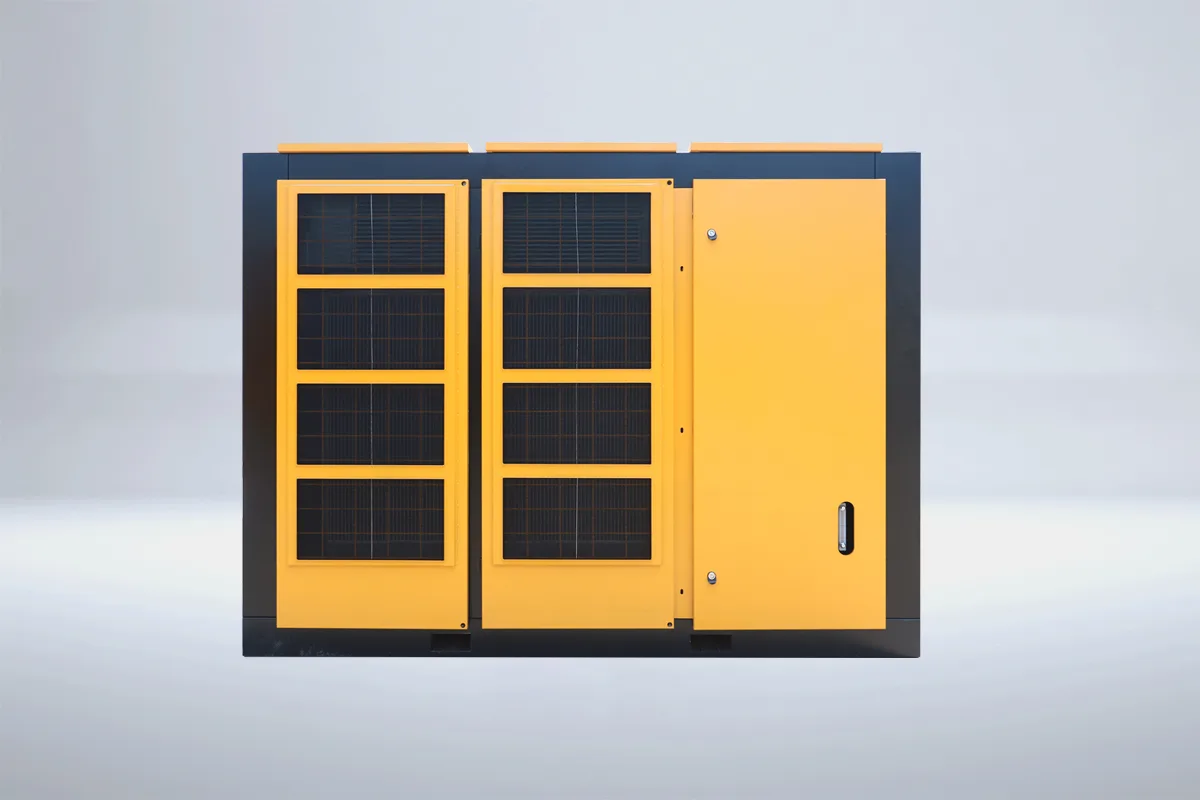
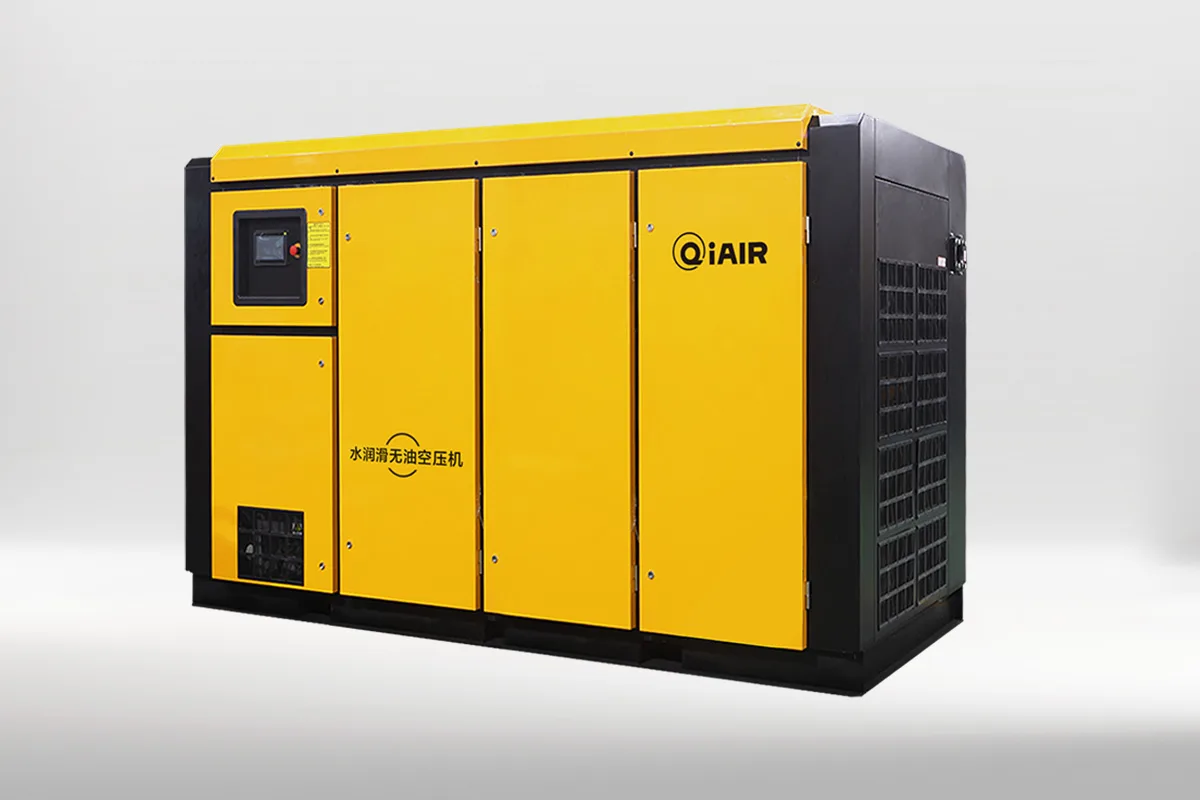
TL;DR — Direct answer: Most early compressor failures trace back to installation, not manufacturing: a cramped or dusty room, an undersized pipe, a missed oil check, or a first start without proper checks. This checklist covers site preparation, piping and electrical work, and the commissioning sequence step by step, so a new factory gets clean, stable air from day one instead of troubleshooting avoidable faults in the first month.
A new screw compressor arrives as a finished machine, but it only becomes a reliable air supply once it is installed and commissioned properly. The room it sits in, the air it breathes, the pipes it feeds, and the power it draws all shape its life from the first hour. Buyers who rush installation to meet a production deadline often pay for it later in trips, contamination, and shortened service intervals.
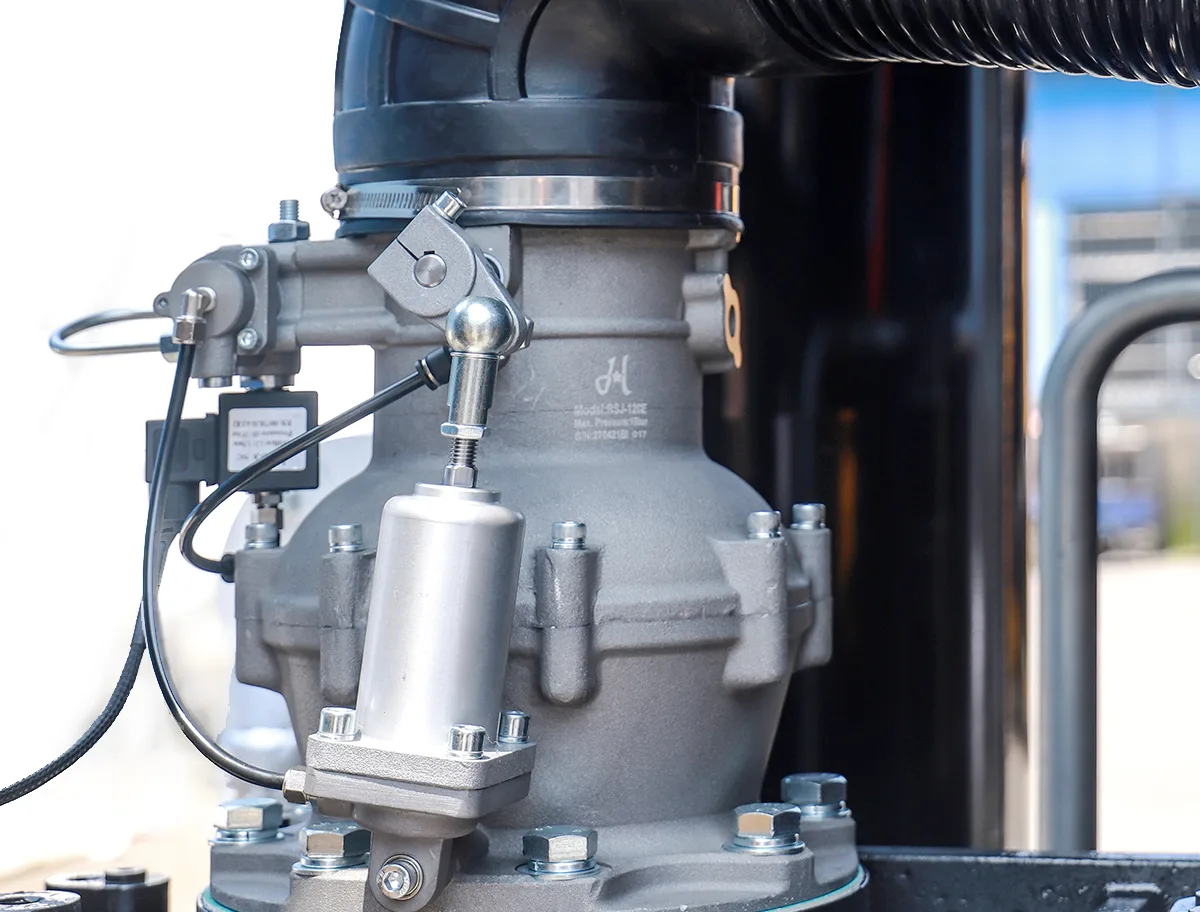
QiAir, a Chinese manufacturer and supplier of screw air compressors, supports new-factory customers through installation and commissioning with documented checks for every stage. The checklist below follows the sequence our engineers use on export installations, and it works whether the installer is the buyer's own team or a local contractor.
Site preparation before delivery
Choose a room that is clean, dry, ventilated, and large enough for service access on all sides, with at least one metre of clearance around the package for filter changes, cooler cleaning, and air-end access. The floor must be level and strong enough for the package weight plus a full receiver, and the room temperature should stay within the manufacturer's rated range, ideally between 5 and 40 degrees Celsius.
Plan the air intake carefully. The compressor should breathe the cleanest available air, away from dust sources, exhaust outlets, and chemical vapours, and the intake must never be boxed in or starved by a room with no ventilation. For a new factory, confirm the intake location on the layout drawing before walls go up, because moving an intake after construction is far more expensive than placing it correctly at first.
- Confirm floor loading, level, and service clearance before the machine arrives.
- Keep the intake away from dust, exhaust, and chemical sources.
- Provide ventilation sized for the compressor's cooling airflow, not just general room air changes.
Piping, receiver, and electrical checks
Size the discharge pipe for the full flow at the working pressure, with a pressure drop target below 0.1 bar across the main run, and slope the header so condensate drains to low-point legs rather than collecting in the line. Fit the receiver downstream of the aftercooler where the layout allows, size it at roughly one cubic metre per 100 litres per second of flow as a starting point, and install isolation valves so any unit can be serviced without shutting down the plant.
On the electrical side, verify the supply voltage, phase, and frequency against the machine nameplate before connection, check that the breaker and cable are rated for the motor's full-load and starting current, and confirm correct rotation direction at first start. For overseas buyers importing from China, voltage and frequency must be confirmed at order stage, since a 50 Hz machine on a 60 Hz supply, or a 380 V machine on a 440 V supply, will not run correctly without adaptation.
Commissioning sequence and first-start records
Commissioning starts before the first start: check the oil level and grade, confirm all transport restraints and plugs are removed, verify that filters, drains, and safety valves are fitted, and inspect for transit damage. At first start, run the machine unloaded, confirm rotation, listen for abnormal noise, and check for leaks at every joint while pressures and temperatures stabilise.
Then load the machine gradually and record the baseline: discharge pressure, discharge temperature, motor current, ambient temperature, and pressure at the farthest point of use. These baseline figures are the reference for all future troubleshooting, so file them with the manual. QiAir asks export customers to share this commissioning record, because a complete baseline lets our support team diagnose later faults quickly and accurately.
Frequently asked questions
How much space does a screw compressor need?
At least one metre of service clearance on all sides, plus room to remove coolers, filters, and the air end. Cramped installations raise temperatures and make routine service slow and expensive.
Should the receiver go before or after the dryer?
Usually after the aftercooler and before the dryer in a standard layout, so the dryer sees stable, cooled air. The exact arrangement depends on the treatment chain, so confirm it on the system drawing.
What should be recorded at commissioning?
Discharge pressure and temperature, motor current, ambient temperature, and pressure at the point of use, plus oil grade and level. This baseline makes later fault-finding far faster.
Related reading
- How to Choose the Best Screw Air Compressor Manufacturer in China for Your Factory
- Two-Stage PM VFD Screw Compressors: How a Top China Supplier Cuts Factory Energy Costs
QiAir is a Chinese manufacturer and supplier of screw air compressors. If you are sourcing a screw compressor from China — for a factory, a textile mill, a construction site or a new production line — contact QiAir for a sized quotation, documented performance data and export support.