TL;DR — Direct answer: Heat and humidity attack compressors three ways: hotter intake air cuts capacity, humid air doubles condensate load, and warm rooms push machines toward temperature trips. Size coolers and dryers for the worst summer week, not the yearly average, and service filters and drains more often.
Export a compressor sized for a temperate workshop to a tropical plant, and summer will expose every optimistic assumption. Intake air at 38 C holds far more moisture than air at 20 C, coolers work against a smaller temperature difference, and a dryer sized for mild weather quietly passes wet air downstream.

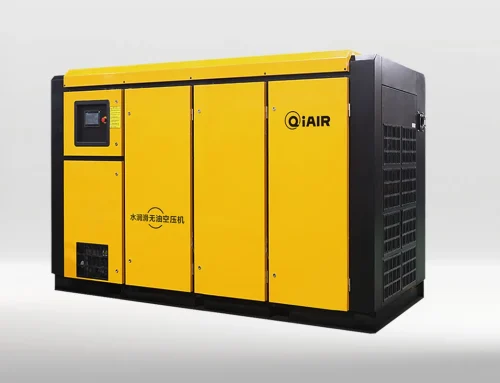
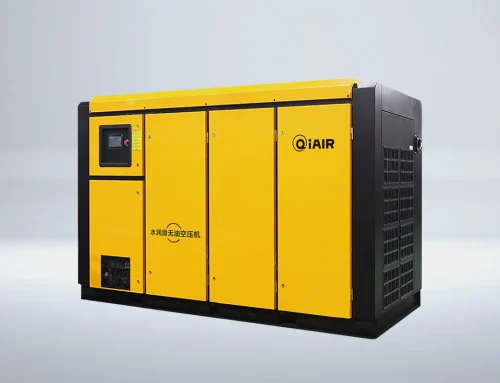
QiAir, a Chinese manufacturer and supplier of screw air compressors, ships to hot and humid markets across Southeast Asia, the Middle East and South America, and tropical installations get a different specification from temperate ones. The machine may be the same; the system around it is not.
What heat does to capacity and reliability
Compressor capacity is quoted at reference inlet conditions, and hot intake air is less dense, so the same machine delivers less mass flow on a hot day. At the same time, discharge temperatures rise and oil ages faster. A machine running near its limit in spring can trip repeatedly in August.
The fixes are unglamorous but effective: duct cool outside air to the intake, keep coolers clean, guarantee ventilation airflow for the hottest day, and do not install the compressor in a sun-baked enclosure without a designed air path. A few degrees of intake temperature are worth more than a larger motor.
- Clean coolers on a schedule in dusty or coastal sites — fouling is the commonest tropical failure.
- Check oil change intervals against actual running temperature, not just running hours.
- High ambient options (uprated coolers, tropical thermostats) are worth specifying at order stage.
Humidity: condensate is the real workload
Every cubic metre of humid intake air brings water that must go somewhere. In tropical operation, condensate volume can be several times the temperate figure, which overloads undersized drains, separators and dryers. The visible symptom is water in the air lines; the hidden damage is corrosion and ruined product.
Size dryers for the summer dew point requirement, fit zero-loss or properly maintained timed drains at every low point, and route condensate through an oil-water separator before disposal. A dryer that copes in January and fails in July was never really sized.
A tropical maintenance rhythm
Shorten service intervals in the first year until the site's real fouling and condensate rates are known, then set the rhythm from evidence. Intake filters, cooler cleaning, drain checks and dryer performance checks all earn their place on a tropical checklist.
QiAir supports tropical customers with hot-climate specification checks before shipment, so coolers, dryers and drains arrive sized for the destination summer. The best screw compressor for a hot and humid plant is the one whose whole system was specified for that climate — not one retrofitted after the first wet season.
Frequently asked questions
Does humidity damage the compressor itself?
Mainly downstream: moisture corrodes pipework, damages tools and ruins product. Inside the machine, the risk is water in oil if the machine runs cool and unloaded for long periods — regular loaded running helps.
Should I choose a desiccant dryer in the tropics?
If you need a low dew point (below about +3 C), yes. For general factory air, a correctly sized refrigerated dryer with good drainage is usually enough and cheaper to run.
Why does my compressor trip only in summer?
Usually a combination of hotter intake air, fouled coolers and poor room ventilation reaching the temperature limit together. Check all three before replacing parts.
Related reading
- How to Choose the Best Screw Air Compressor Manufacturer in China for Your Factory
- Two-Stage PM VFD Screw Compressors: How a Top China Supplier Cuts Factory Energy Costs
QiAir is a Chinese manufacturer and supplier of screw air compressors. If you are sourcing a screw compressor from China — for a factory, a textile mill, a construction site or a new production line — contact QiAir for a sized quotation, documented performance data and export support.