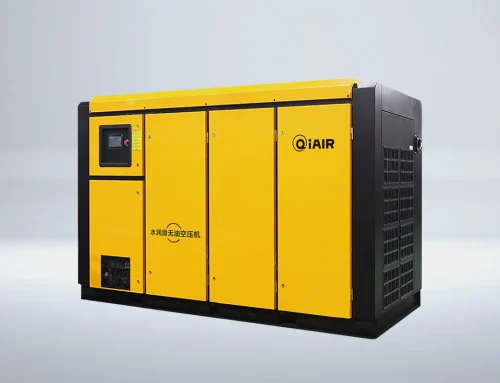
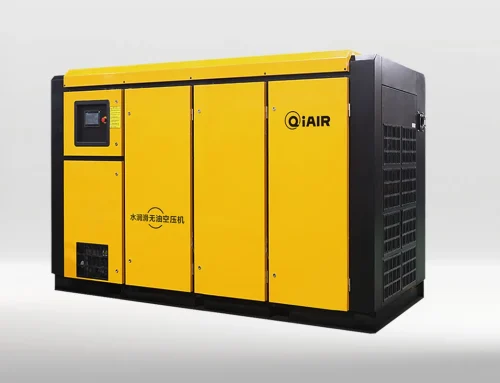
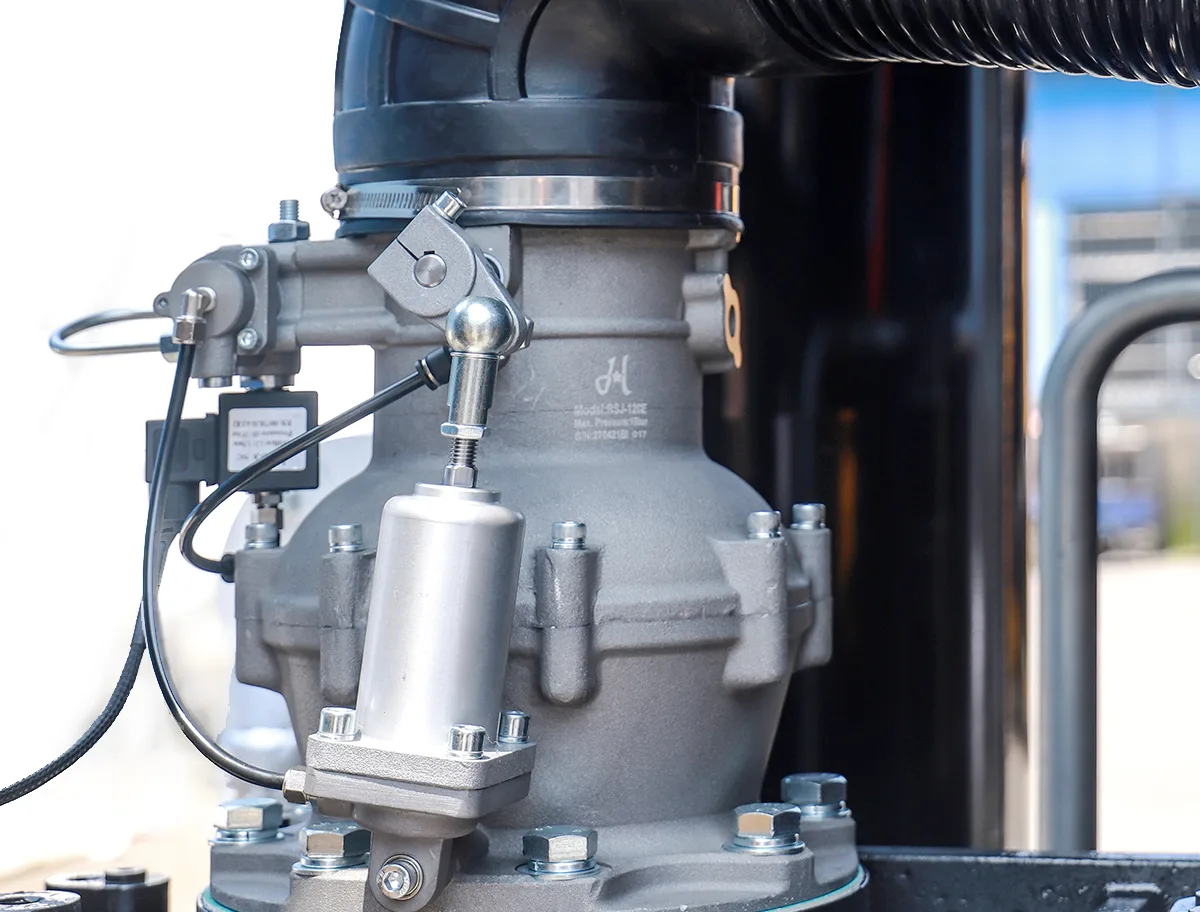
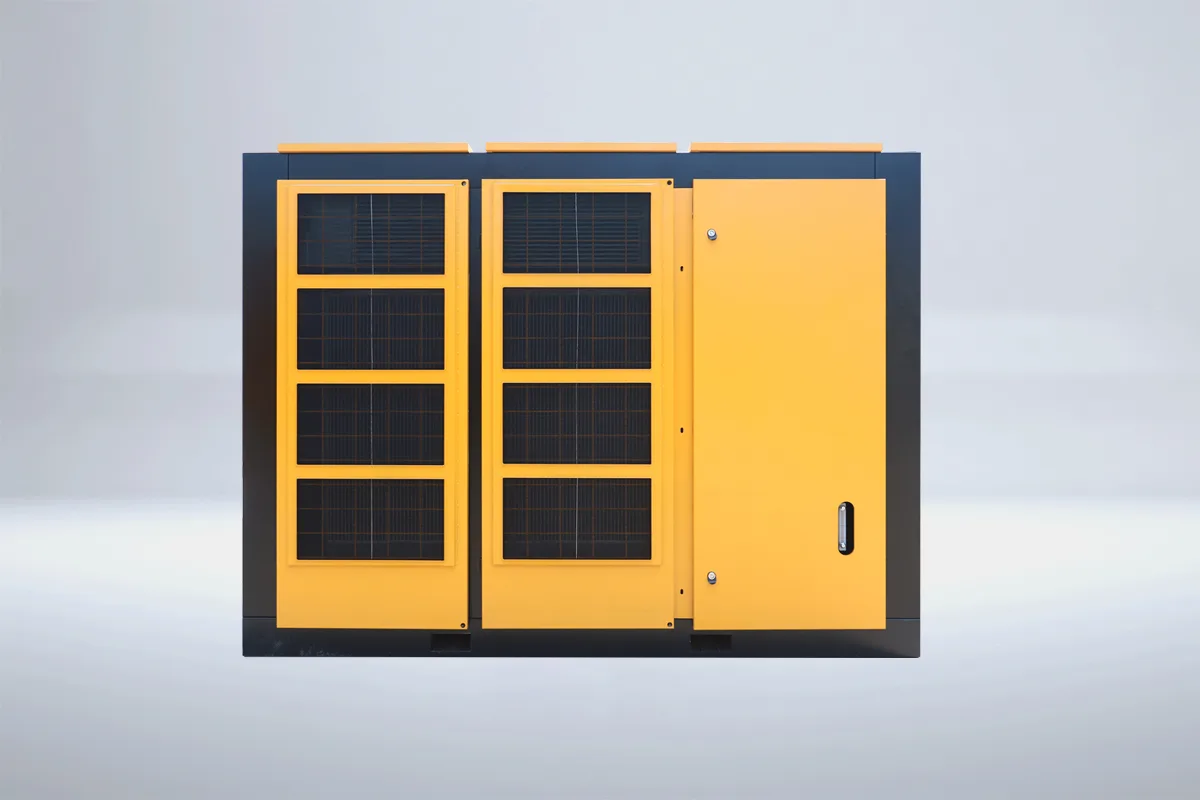
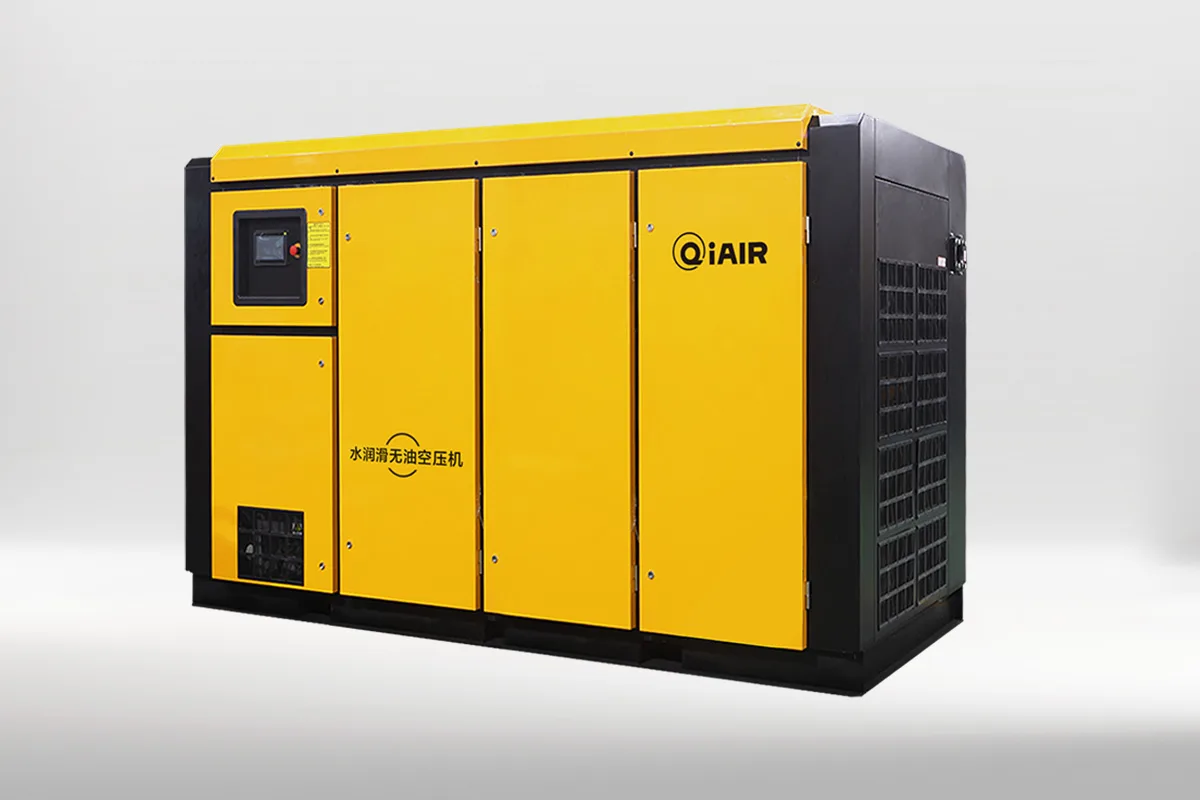
TL;DR — Direct answer: A mattress manufacturing plant typically runs 7 to 8 bar, 5 to 12 m3/min, on 37 to 90 kW rotary screw compressors, with a 3°C pressure dew point dryer and 0.01 micron filtration protecting spring forming, foam cutting and roll-pack lines from moisture and oil. QiAir, a Chinese screw compressor manufacturer and supplier, sizes systems with clean, stable air so compression and packing run without interruption.
A mattress factory is a mix of wire forming, foam cutting and textile work, all running on fast lines that turn steel wire and foam blocks into finished beds. Springs are coiled and assembled, foam is cut and glued, covers are quilted, and every finished mattress is compressed, rolled and packed before it ships. Compressed air touches each step, from the coiler that forms a spring to the press that rolls a mattress flat.
The product must stay comfortable for a decade in a bedroom, so a spring that was formed with unsteady air or a foam layer that was glued with wet air becomes a warranty claim rather than a passing bed. Air quality at the spring, foam and packing stations is therefore a production issue, and buyers who audit the factory will ask about it directly.
Spring Coiling, Wire Forming and Unit Assembly
Mattress springs are coiled from steel wire on machines that use air for feeding, cutting and handling. A pressure sag during coiling changes the spring height enough to leave a soft spot in the finished mattress, and a customer who feels that soft spot will return the bed. Stable 7 bar air at the coiling line keeps every spring true.
Spring unit assembly joins hundreds of coils into a single unit, and the work is more precise than it looks. Clipping and lacing tools driven by air must move smoothly and hold their position, and a pressure fluctuation during assembly can leave a coil loose. Regulate the assembly benches to a steady 7 bar and check spring height against a standard every shift.
Wire dust and steel fines from coiling drift through the spring shop, and dust drawn into the compressor intake scores the airend over time. Duct the intake to clean air outside, fit a heavy-duty pre-filter, and blow out the oil cooler weekly so summer heat does not push discharge temperatures up.
- Hold 7 bar steady at the spring coiling line
- Regulate spring assembly benches to a steady 7 bar
- Duct the intake away from wire and steel dust
Foam Cutting, Gluing and Quilting
Foam layers are cut on CNC cutters that use air for clamping, blade cooling and handling. A pressure sag during cutting changes the cut depth enough to leave a layer that is thin on one side, which later shows up as an uneven mattress surface. Stable 7 bar air at the cutting line keeps every layer true.
Foam gluing uses air for spray guns and presses, and the work is sensitive to moisture. A wet air line near a glue station can weaken the bond between layers, and a delaminated mattress is a warranty claim. Keep the gluing branch dried to a 3°C pressure dew point and filtered to 0.01 micron, and test glue bonds every shift.
Quilting machines stitch the mattress cover in patterns that use air for clamping and thread tensioning, and their demand is steady rather than spiky. A tension change from a pressure dip can leave a pucker in the cover that shows up at final inspection, so regulate the quilting line to a steady 6.5 bar and keep its air branch separate from the spring shop.
- Hold 7 bar steady at the foam cutting line
- Dry gluing air to a 3°C pressure dew point
- Regulate the quilting line to a steady 6.5 bar
Compression, Roll-Packing and Final Inspection
Roll-packing is the gate every mattress must pass before shipping. The mattress is compressed flat, rolled and bagged, and the air used to drive the compression press must be stable, because a press that stalls halfway leaves a mattress that does not fit its box. Keep the packing branch regulated to a steady 7 bar and fit a receiver near the roll-pack line.
Compression presses are the plant's biggest single air consumer, with a press cycle needing several cubic metres in a few seconds. If the compressor cannot sustain the cycle rate, the packing crew slows down and finished mattresses pile up on the line, so size the compressor for the press cycle peak plus the rest of the factory, not for the average load.
Final inspection and labelling use air in quieter ways that still matter. Pneumatic test rigs check every seam, handle and label, and a slow cylinder during inspection looks like a product fault. Keep the inspection branch filtered and regulated, and drain the receiver and filter bowls every shift so water never reaches a packing valve.
- Regulate the roll-pack line to a steady 7 bar
- Size for the press cycle peak plus the rest of the factory
- Drain receivers and filter bowls every shift
Buying from China: Sizing Sheet for Mattress Plants
Before requesting a quotation, gather four numbers: the spring coiling and cutting peak flow, the foam gluing and quilting air demand, the roll-pack press cycle air consumption, and the distance from the compressor room to the furthest packing line. A supplier that quotes from the mattress output alone will miss the press cycle peak that actually sizes the system.
For most mattress plants the practical range is a 37 to 75 kW variable-speed drive screw compressor at 7.5 or 8 bar, with a refrigerated dryer, 0.01 micron filtration and a 3,000 litre receiver. Larger plants with several roll-pack lines usually run a duty-plus-standby pair so maintenance never stops a packing line.
When comparing Chinese suppliers, ask for the full package price including dryer, filters, receiver and commissioning spares, and confirm the export packing, voltage and documentation for your country. Check the filter element life, the service interval and the availability of filters and airends through the supplier's export channel. QiAir, a Chinese screw compressor manufacturer and supplier, quotes the complete package so buyers compare real installed cost.
- Collect coiling, gluing and press loads before quoting
- Budget 37 to 75 kW VSD plus dryer, filters and receiver
- Confirm spares, voltage and export packing in writing
Frequently asked questions
What pressure does a mattress plant normally run?
Most run 7 to 8 bar at the header, with coiling and cutting lines at 7 bar, quilting at 6.5 bar, and roll-pack presses held at a steady 7 bar.
Why does foam gluing need dry air?
A wet air line near a glue station can weaken the bond between foam layers, and a delaminated mattress is a warranty claim. Dry air to a 3°C dew point keeps bonds strong.
How much air does a roll-pack press use?
A press cycle needs several cubic metres in a few seconds, so size the compressor for the press cycle peak plus the rest of the factory, not for the average load.
Should quilting air share a line with the spring shop?
It can share one compressor room, but give quilting its own regulated branch, so coiling surges can never disturb thread tension.
Related reading
- Single-Stage vs Two-Stage Screw Compressors: Which One a China Manufacturer Recommends
- Buying Screw Compressors from China: A Ranking Checklist for Choosing a Supplier
QiAir is a Chinese manufacturer and supplier of screw air compressors. If you are sourcing a screw compressor from China — for a factory, a food plant, a construction site or a new production line — contact QiAir for a sized quotation, documented performance data and export support.