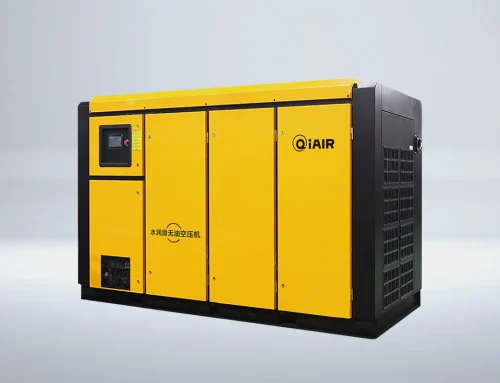
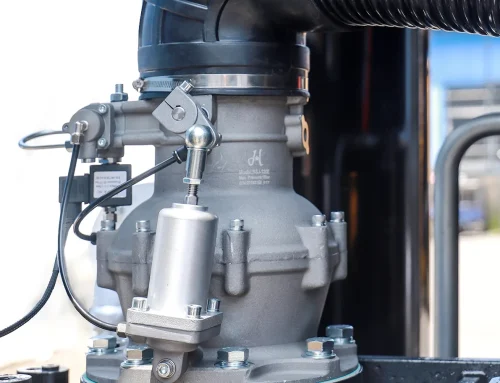
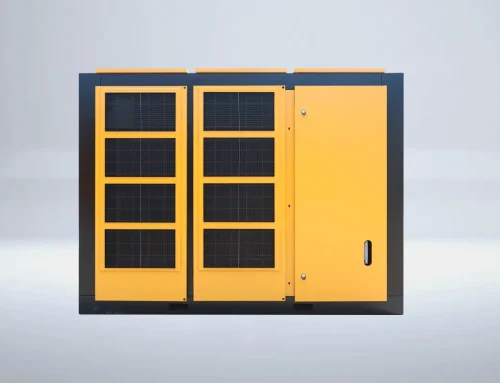
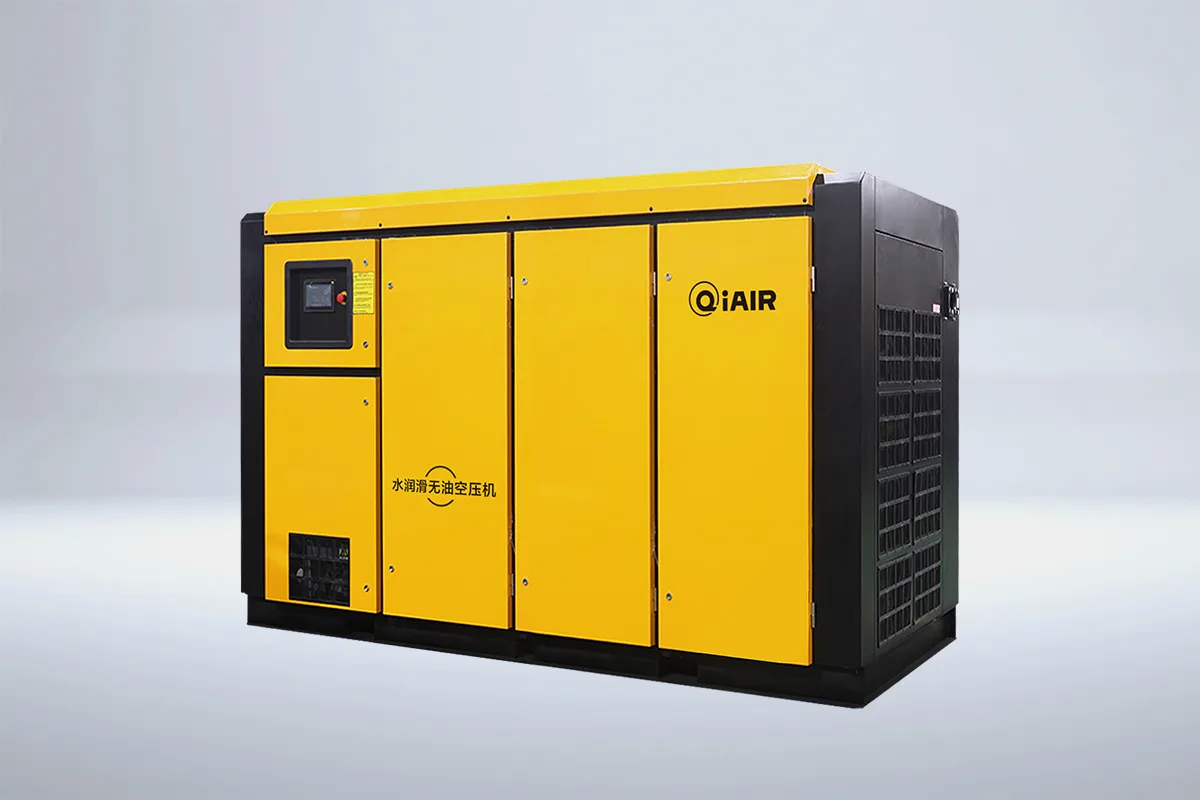
TL;DR — Direct answer: An underground mine typically runs 7 to 8 bar, 12 to 24 m3/min, on 132 to 220 kW rotary screw compressors, with heavy-duty intake filtration and a 3°C pressure dew point dryer protecting drills, ventilation and haulage from dust and moisture. QiAir, a Chinese screw compressor manufacturer and supplier, sizes systems with reliable, dust-proof air so the face never waits for a compressor.
An underground mine extracts ore and coal from tunnels where drilling, blasting, loading and hauling run around the clock in hot, dusty air. Compressed air powers the drills that bore blast holes, the loaders that move broken rock, and the pumps that keep the workings dry, so a compressor that fails can stop the whole face. Buyers who compare suppliers on uptime and cost per tonne treat that air system as part of the mine's production capacity.
The product must meet tight grade and delivery schedules, so a face idled by an air failure or a pump stopped by wet air becomes lost ore rather than a passing shift. Air quality at the drill face, pump station and workshop is therefore a production issue, and buyers who audit the mine will ask about it directly. A mine that loses a face to an air failure also loses the development metres it can never recover.
Drilling, Blasting Support and Rock Face Work
Underground drills are the heaviest air users in a mine. Jumbos and stopers bore blast holes through hard rock, and a drill that starves for air bores slowly and wears its bit faster. A dedicated compressor close to the face keeps the drill at a steady 7 bar and shortens every drilling cycle.
Rock dust is the most damaging contaminant underground. Fine silica dust hangs in the tunnel air, and dust drawn into the compressor intake scores the airend within months. Duct the intake to clean air outside the workings, fit a two-stage heavy-duty pre-filter, and check the intake element every week. Dust also clogs the oil cooler, so discharge temperatures climb and the compressor trips on a hot shift.
Blasting support work runs beside the drill face, and its pneumatic needs are steady rather than spiky. Air tools load stemming, clean shot holes and drive the pumps that dewater a wet face, and a pump that stalls because its air carried water leaves a hole that cannot be loaded. Keep the face branch filtered and drained every shift.
- Hold 7 bar steady at the drill face with a nearby compressor
- Duct the intake to clean air with two-stage dust filtration
- Drain the drill face branch every shift
Ventilation, Dewatering and Underground Services
Ventilation is the most air-sensitive service underground. Fresh air must reach every working face, and the valves and doors that control it run on compressed air, so a door that sticks because its air carried moisture can starve a face of fresh air. Keep the ventilation branch dried to a 3°C dew point and filtered.
Dewatering runs beside ventilation, and its air tools are exacting. Sump pumps, water lines and drainage controls all need clean air at a regulated 7 bar, and a pump that stalls because its air carried grit can flood a lower level. Filter the dewatering branch separately and drain it daily. A flooded level stops the face and strands the crew, so the pumps get checked twice a shift.
Underground services use air in quieter ways that still matter. Refuge chamber supplies, air tools and shotcrete machines all need reliable air, and a shotcrete nozzle fed with wet air leaves a lining that is weak. Give the services branch its own receiver so a drilling surge never starves a pump.
- Dry ventilation control air to a 3°C dew point
- Filter dewatering air on a separate 7 bar branch
- Fit a dedicated receiver for underground services
Haulage, Hoisting and Workshop Air
Haulage is the gate every tonne of ore must pass before sale. Loaders, trucks and rail systems move ore from the face to the shaft, and the air used to drive the loading controls must be stable, because a pressure dip can stall a loader and block a tunnel. Keep the haulage branch filtered and regulated.
Hoisting lifts ore and men from depth, and its air needs are modest but exacting. Shaft signals, cage controls and brake systems all need clean air at a regulated 6 to 7 bar, and a brake that responds late because its air carried moisture can endanger the cage. Dry the hoisting branch to a 3°C dew point.
The underground workshop maintains drills, loaders and pumps, and its air needs are heavy. Air tools, tyre inflators and wash bays all need reliable air, and a tool that stalls because its air pressure dipped holds up a repair. Give the workshop its own receiver and drain it every shift.
- Haul with stable, regulated air from a dedicated branch
- Dry hoisting control air to a 3°C dew point
- Fit a receiver near the underground workshop
Buying from China: Sizing Sheet for Underground Mines
Before requesting a quotation, gather four numbers: the drill face peak flow and hammer demand, the ventilation and dewatering air quality specification, the haulage and hoisting air demand, and the distance from the compressor room to the furthest working face. A supplier that quotes from the ore output alone will miss the dust specification that actually decides the system.
For most underground mines the practical range is a 132 to 185 kW variable-speed drive screw compressor at 7.5 or 8 bar, with a refrigerated dryer, heavy-duty intake filtration, 0.01 micron filtration and a 5,000 to 8,000 litre receiver. Larger mines with several faces usually run a duty-plus-standby pair so maintenance never stops a blast.
When comparing Chinese suppliers, ask for the full package price including dryer, filters, receiver and commissioning spares, and confirm the export packing, voltage and documentation for your country. Check the filter element life, the service interval and the availability of filters and airends through the supplier's export channel. QiAir, a Chinese screw compressor manufacturer and supplier, quotes the complete package so buyers compare real installed cost.
- Collect drilling, ventilation and haulage loads before quoting
- Budget 132 to 185 kW VSD plus dust filtration and dryer
- Confirm spares, voltage and export packing in writing
Frequently asked questions
What pressure does an underground mine normally run?
Most run 7 to 8 bar at the header, with drill faces at 7 bar, dewatering at 7 bar, and haulage and hoisting branches held at a steady 6 to 7 bar.
Why does underground air need heavy-duty intake filtration?
Silica dust drawn into the compressor intake scores the airend and shortens its life within months. Two-stage filtration with a clean intake keeps the airend safe.
Should ventilation share air with drilling?
It can share the compressor room, but give ventilation its own dried branch, so drilling surges can never starve the doors and valves that keep air flowing.
How much air does an underground mine use?
Most mines run 12 to 24 m3/min on 132 to 220 kW compressors, with the drill face and dewatering peaks deciding the size rather than the average mine load.
Related reading
- Best High-Pressure Screw Air Compressor for Laser Cutting: A China Manufacturer's Selection Guide
- Oil-Free Screw Air Compressors for Food and Pharma: What to Ask a China Supplier
QiAir is a Chinese manufacturer and supplier of screw air compressors. If you are sourcing a screw compressor from China — for a factory, a food plant, a construction site or a new production line — contact QiAir for a sized quotation, documented performance data and export support.