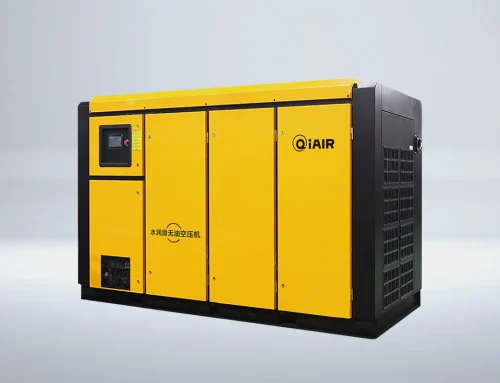
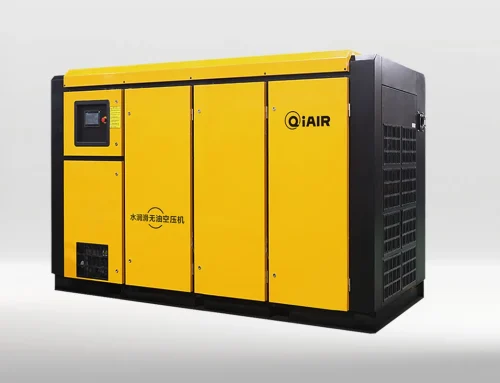
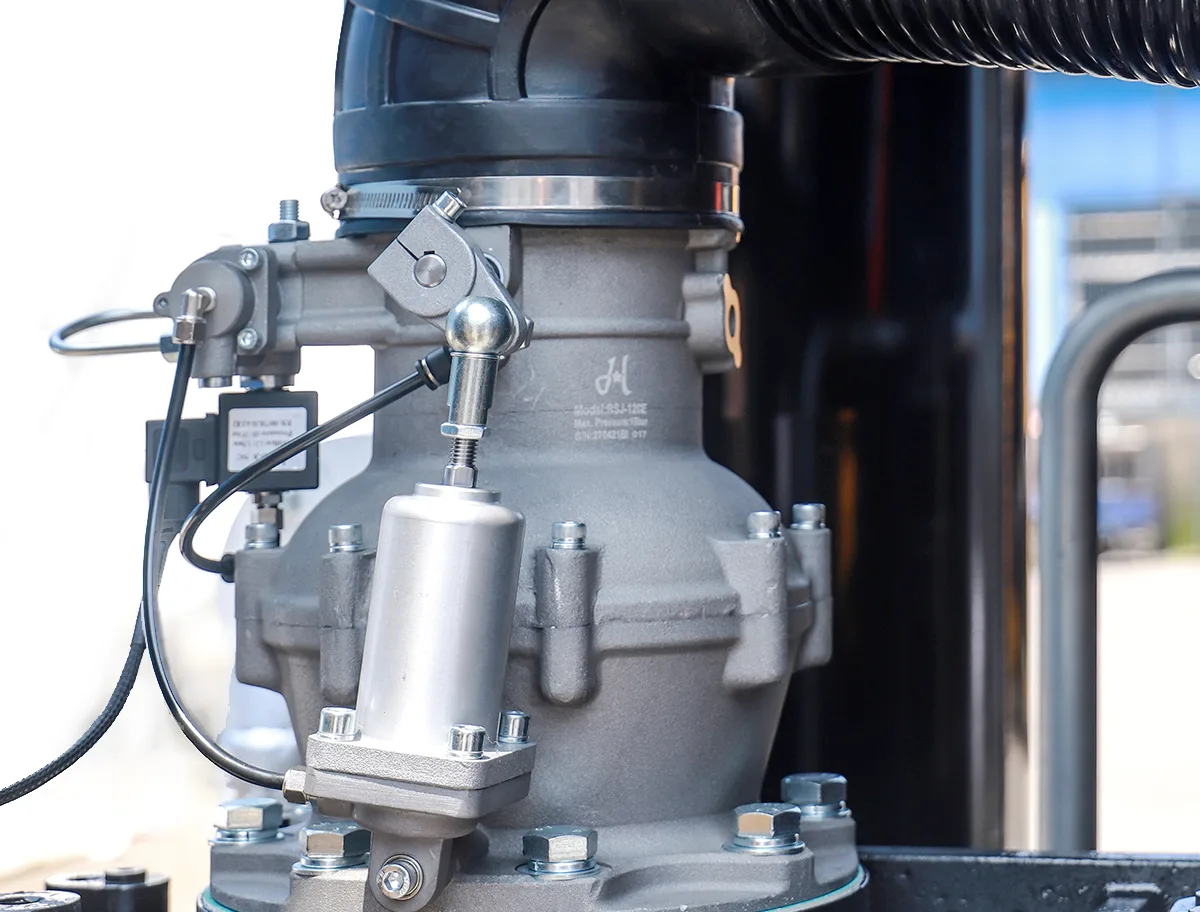
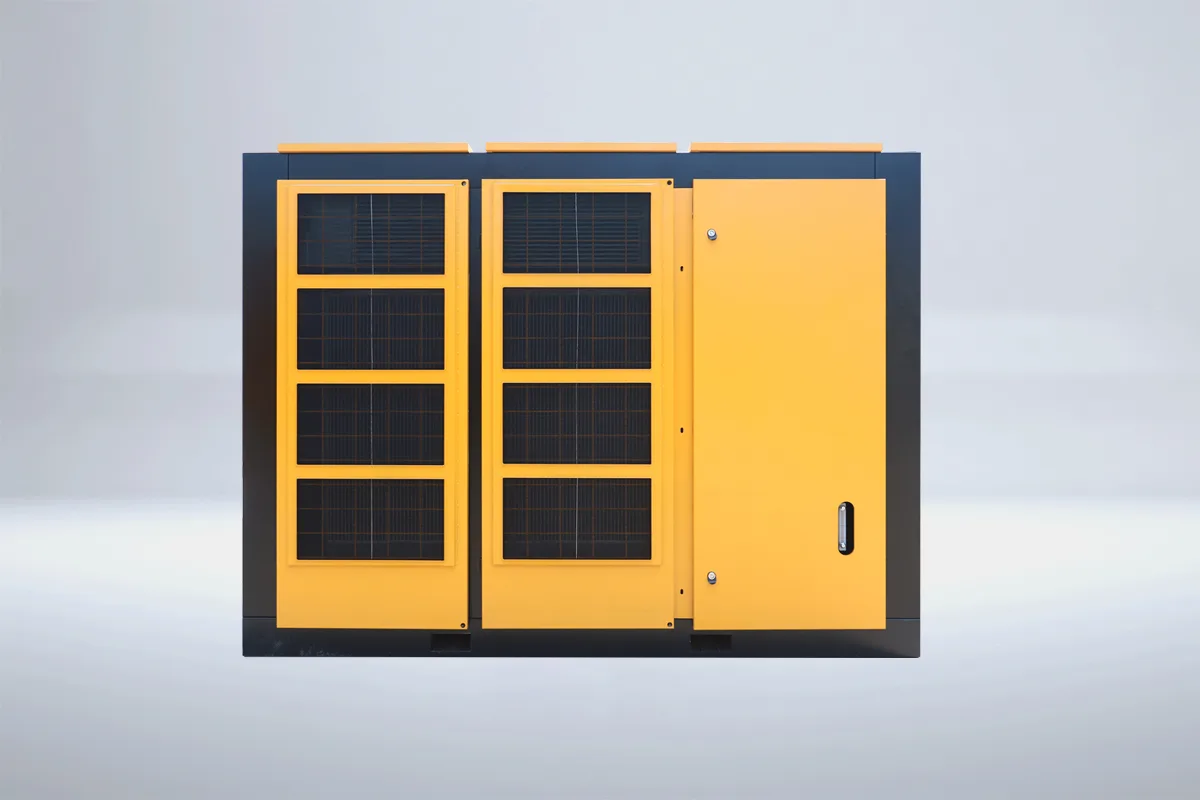
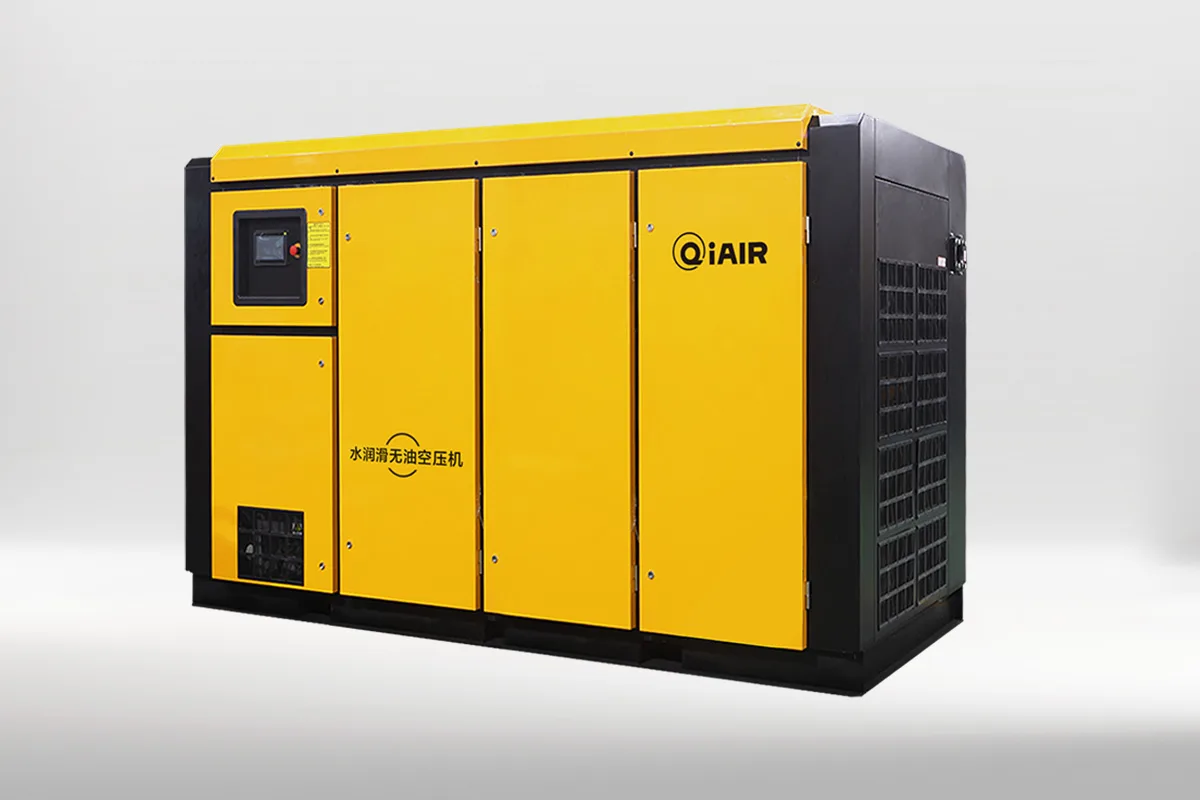
TL;DR — Direct answer: A bicycle manufacturing plant typically runs 7 to 8 bar, 4 to 10 m3/min, on 30 to 75 kW rotary screw compressors, with a 3°C pressure dew point dryer and 0.01 micron filtration protecting frame welding, spray painting and wheel building from moisture and oil. QiAir, a Chinese screw compressor manufacturer and supplier, sizes systems with clean, stable air so paint finishes stay flawless.
A bicycle factory is a mix of tube cutting, frame welding, painting and final assembly, turning steel and aluminium tubing into finished bikes on lines that run to a tight daily target. Frames are welded and aligned, forks are fitted, wheels are built, and every finished bike is checked before it ships. Compressed air touches each step, from the jig that holds a frame to the spray gun that paints it.
The product must survive years of road vibration, rain and rough handling, so a frame welded with unsteady air or a paint job laid over wet air becomes a warranty claim rather than a passing bike. Air quality at the welding, painting and assembly stations is therefore a production issue, and buyers who audit the factory will ask about it directly.
Frame Cutting, Welding and Alignment
Bicycle frames start as steel or aluminium tubes, cut, mitred and welded in jigs that use air for clamping and positioning. A tube that shifts because its clamp faltered leaves a frame that is out of alignment, and a misaligned frame will never track straight on the road. Stable 7 bar air at the welding line keeps every frame true.
TIG welding is the most air-sensitive job on the frame line. Welders use air for torch cooling, clamping and back-purging, and a pressure sag during a weld can leave porosity in a joint that later cracks under load. Regulate the welding benches to a steady 7 bar and keep the branch filtered to 0.01 micron.
Frame alignment is checked on tables after welding, and the air tools used for straightening must not damage a finished tube. A blow-off jet that is too strong can dent thin-wall aluminium, and a dented tube discovered at inspection means scrapping the frame. Regulate the alignment benches to a steady 6.5 bar.
- Hold 7 bar steady at the frame welding line
- Regulate welding benches to a steady 7 bar
- Regulate alignment benches to 6.5 bar to protect thin tubing
Spray Painting, Curing and Decal Work
Spray painting is the most air-sensitive job in a bicycle plant. Paint guns are fed by compressed air, and moisture or oil in the supply leaves fisheyes, blisters and orange peel on the frame. A refrigerated dryer giving a 3°C pressure dew point plus carbon adsorption is the minimum standard for the paint booth. A single oil droplet in the line can ruin a whole batch of frames.
Paint booth air must be dry as well as clean. Humid air changes how paint flows and cures, and a frame painted on a damp day can look perfect in the booth and then peel within months. Keep the paint branch dried to a 3°C pressure dew point, filter it to 0.01 micron, and log the dew point during every shift.
Decal and clear-coat work follows painting, and its air needs are exacting. Air tools seat decals and blow dust from frames before clear coat, and a particle carried onto a frame shows up as a bump under the clear coat. Use ionised blow-off air in the decal bay and keep it on its own filtered branch.
- Dry paint booth air to a 3°C dew point with carbon filtration
- Log the dew point during every painting shift
- Use ionised blow-off air in the decal bay
Wheel Building, Assembly and Ride Testing
Wheel building is the most precise job in bicycle assembly. Spokes are tensioned on stands that use air for truing and dishing, and a wheel built on unsteady air can carry uneven spoke tension that later makes the wheel wobble. Regulate the wheel benches to a steady 6.5 to 7 bar and check tension against a standard every week.
Final assembly fits drivetrains, brakes and handlebars, and its pneumatic needs are steady rather than spiky. Torque wrenches, brake bleeding rigs and gear adjustment stands all need clean air at a regulated 6 to 7 bar, and a valve that sticks because its air carried moisture can look like a component fault. Filter the assembly branch separately.
Ride testing and final inspection are the gate every bicycle must pass before shipping. The bike is run on a test stand while gears, brakes and wheels are checked, and the air used to drive the test rigs must be stable, because a pressure dip can look like a brake fault. Keep the test branch filtered and regulated.
- Regulate wheel building benches to 6.5 to 7 bar
- Filter final assembly air on a separate 6 bar branch
- Test with stable, regulated air from a dedicated branch
Buying from China: Sizing Sheet for Bicycle Plants
Before requesting a quotation, gather four numbers: the frame welding peak flow, the paint booth air quality specification and its dew point target, the wheel building and assembly air demand, and the distance from the compressor room to the furthest spray booth. A supplier that quotes from the bicycle output alone will miss the paint-air specification that actually decides the system.
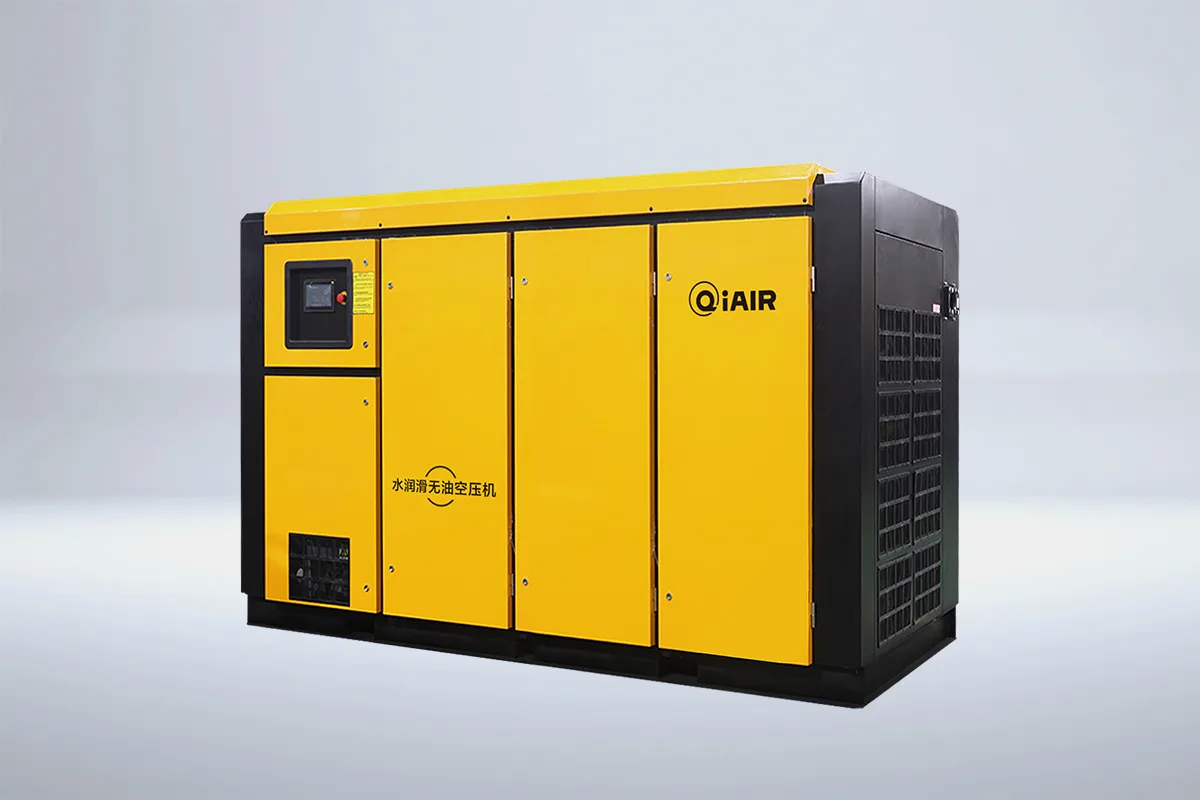
For most bicycle plants the practical range is a 30 to 55 kW variable-speed drive screw compressor at 7.5 or 8 bar, with a refrigerated dryer, 0.01 micron filtration, carbon adsorption and a 2,000 to 3,000 litre receiver. Larger plants with several paint booths usually run a duty-plus-standby pair so maintenance never stops a paint run.
When comparing Chinese suppliers, ask for the full package price including dryer, filters, receiver and commissioning spares, and confirm the export packing, voltage and documentation for your country. Check the filter element life, the service interval and the availability of filters and airends through the supplier's export channel. QiAir, a Chinese screw compressor manufacturer and supplier, quotes the complete package so buyers compare real installed cost.
- Collect welding, painting and assembly loads before quoting
- Budget 30 to 55 kW VSD plus dryer and carbon filtration
- Confirm spares, voltage and export packing in writing
Frequently asked questions
What pressure does a bicycle plant normally run?
Most run 7 to 8 bar at the header, with welding lines at 7 bar, paint booths at a steady 7 bar, and wheel benches regulated to 6.5 to 7 bar.
Why does spray painting need carbon filtration?
Oil vapour in the paint air leaves fisheyes and blisters on the frame, and moisture causes peeling later. Carbon adsorption plus a 3°C dew point keeps paint finishes flawless.
Should paint air share a line with welding?
No. Give the paint booth its own dryer and filtration branch, so welding dust and oil can never reach a spray gun.
How much air does a bicycle plant use?
Most plants run 4 to 10 m3/min on 30 to 75 kW compressors, with the welding and paint booth peaks deciding the size rather than the average assembly load.
Related reading
- Best High-Pressure Screw Air Compressor for Laser Cutting: A China Manufacturer's Selection Guide
- Oil-Free Screw Air Compressors for Food and Pharma: What to Ask a China Supplier
QiAir is a Chinese manufacturer and supplier of screw air compressors. If you are sourcing a screw compressor from China — for a factory, a food plant, a construction site or a new production line — contact QiAir for a sized quotation, documented performance data and export support.