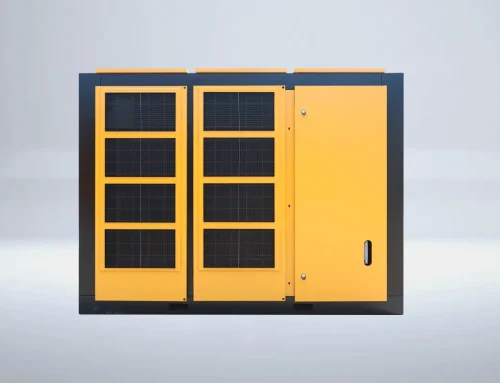
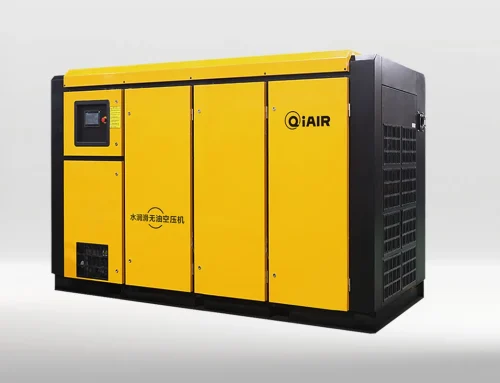
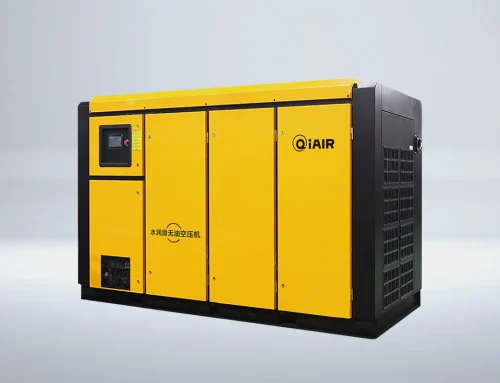
TL;DR — Direct answer: A tobacco processing plant needs clean, dry air at 6 to 7 bar for cutting, drying, conditioning and packing, with a pressure dew point of 3 degrees C and filtration to 0.01 micron so no oil or water reaches the tobacco, the cutting blades or the packing heads. Size on the coincident peak of cutting, drying and packing, commonly 5 to 12 cubic metres per minute for a mid-size plant, and use a variable speed drive because cutting and packing run in batches. QiAir, a Chinese screw compressor manufacturer and supplier, builds fixed and variable speed machines with food-grade air treatment for tobacco processing.
Tobacco processing runs on air in more places than most plant managers realise. Cutting machines use compressed air for blade control, leaf feed and ejection, drying and conditioning lines use it for damper and conveyor control, and packing lines depend on dry air for weighing, filling, sealing and cartoning. When the air falters, the whole line slows: a pressure dip leaves a ragged cut, a damp air line clogs a dryer damper, and a packing head misfires on every tenth carton. Wet or oily air is worse than a stoppage, because moisture changes the leaf moisture content and oil can taint flavour, turning a whole batch into rework. QiAir is a Chinese manufacturer and supplier of screw air compressors, and its machines are specified for exactly this kind of continuous, dusty, hygiene-sensitive duty.

The mistake buyers make most often is sizing from a catalogue table instead of from the plant itself. A cutting line, a drying line and a packing line rarely all peak at the same second, but two of them often do, and that coincident peak is what the compressor must cover without dropping below 6 bar at the farthest user. This guide walks through where the air goes in a tobacco processing plant, how to size for it, how to keep dust and moisture out of the system, and what to ask a China supplier before ordering.
Where Compressed Air Is Used: Cutting, Drying, Conditioning and Packing
Cutting is the most sensitive user. High-speed cutters use compressed air for blade actuation, leaf feed, ejection and cleaning, and a pressure swing shows up directly as uneven cut width or a jammed feed. A cutting hall with four to eight machines can pull its peak when several cutters start together after a blend change, and a compressor sized on average flow will sag exactly then. Keep the pressure at the cutter within a narrow band, and fit a dedicated receiver near the cutting hall if the header run is long, because a local receiver is cheaper than upsizing the whole system.
Drying, conditioning and packing close the line and take the most air. Dryers use air for damper control, steam-valve actuation and conveying, conditioning cylinders use it for rotation and spraying control, and packing lines need dry air for weighing heads, fillers, heat sealers and cartoners. Tobacco dust and stem fragments fill the air in the cutting and drying halls, so any air tool or cylinder there needs filtration that survives fine organic dust, and any open blow-off nozzle wastes air fast if operators leave it running. A plant that maps every user, including the small ones, usually finds 15 to 25 percent more demand than the original estimate, and that gap is where pressure problems start.
- Cutting: blade control, leaf feed, ejection and cleaning where a pressure dip changes cut width.
- Drying and conditioning: damper control, steam valves and conveying where moisture affects leaf quality.
- Packing and cartoning: weighing, filling, sealing and strapping tools that need dry air at stable pressure.
Sizing for Batch Cutting and Packing Peaks
The practical way to size is to list every air user with its flow and duty cycle, then add up only the users that run together. In a mid-size tobacco processing plant running 3 to 8 tonnes of leaf per hour, a realistic coincident peak is often 5 to 12 cubic metres per minute at 6 to 7 bar, and a 37 to 75 kW screw compressor covers it, with a variable speed drive trimming the part-load hours when cutting pauses between blends. If the plant plans a second packing line within two years, leave a 20 to 25 percent margin or a spare connection point now, because retrofitting a larger receiver and header later costs more than the extra capacity costs today.
Pressure matters as much as flow. Size the pipe so the drop from the compressor room to the farthest packing head is under 0.3 bar at peak flow, and verify it with a gauge at the far end during a full production run, not at the receiver. A 500 to 1000 litre receiver per 10 cubic metres per minute smooths the short spikes from cutting and packing heads, and a ring main beats a long dead-end run wherever the building layout allows it. Avoid the trap of buying a bigger compressor to fix a small pipe: it burns power every day and still leaves the far end short.
- Work at 6 to 7 bar for most tobacco plants, and confirm the highest-pressure user before choosing a 10 bar machine.
- Use a variable speed drive when load varies by more than 30 percent across a shift, which it usually does in batch cutting.
- Check pressure at the farthest user under full load, and log it weekly so a slow leak or filter clog shows up early.
Moisture, Dust and Flavour Protection
Tobacco is hygroscopic, so air moisture is a product issue, not just a utility question. Wet air in a cutting or conditioning line changes the moisture content of the leaf, which changes how it cuts, dries and burns, and a batch that drifts out of specification may need reconditioning or downgrading. The standard that prevents this is a treatment chain, not a single filter: a pre-filter, a refrigerated dryer to a 3 degree C pressure dew point, a coalescing filter to 0.01 micron, and an activated-carbon filter where the process specification demands oil-free quality air. For lines where air contacts tobacco directly, an oil-free screw compressor removes the risk at source.
Dust is the other half of the problem. Tobacco dust is fine, light and everywhere, so put the compressor intake on the clean side of the building, away from the cutting hall and the leaf intake, and duct it if necessary so the machine breathes relatively clean air. A standard intake filter clogs fast in a tobacco plant; check it weekly, keep a spare on the shelf, and watch the pressure drop across it, because a choked intake raises discharge temperature and power draw at the same time. Drain condensate automatically with a zero-loss drain, and never let a manual drain become a daily chore that someone forgets on a busy shift.
- Keep compressor intake away from cutting dust, check the intake filter weekly and keep a spare in stock.
- Fit pre-filter, refrigerated dryer and coalescing filter in series, with food-grade oil and a final filter on packing lines.
- Use automatic zero-loss drains, slope air lines to drain legs, and test air dryness at the cutting hall each month.
Buying from China: Sizing Sheet for a Tobacco Plant Compressor
QiAir is a Chinese manufacturer and supplier of screw air compressors, and a tobacco order should start with a sizing sheet rather than a model name. Send the supplier your coincident-peak flow at 6 to 7 bar, your highest-pressure user, the dust level and ambient temperature in the compressor room, and the distance to the farthest air user. Ask for a fixed-speed and a variable-speed quotation side by side, with the part-load power curve for each, so you can compare energy cost over a year rather than purchase price on one day. Confirm the receiver size, dryer type and filter grades in writing, and confirm which spares ship with the machine.
Before the machine leaves the factory, agree on the acceptance checks: a full-load run at rated pressure, a dew point reading at the dryer outlet, and a pressure reading at a simulated far-end load. On arrival, install on a level plinth with clear airflow around the cooler, connect the drains before the first run, and run a pressure survey at the farthest packing head during the first full production week. Keep a simple log of pressure, temperature and filter changes, and it will tell you months ahead when a service is due.
- Send the supplier coincident peak flow, highest-pressure user, ambient conditions and farthest-user distance.
- Compare fixed and variable speed on annual energy cost, and confirm receiver, dryer and filter grades in writing.
- Accept on a full-load test plus dew point and far-end pressure readings, then survey pressure again in week one.
Frequently asked questions
What size screw compressor does a tobacco processing plant need?
A mid-size tobacco plant running 3 to 8 tonnes of leaf per hour usually needs 5 to 12 cubic metres per minute at 6 to 7 bar, which is roughly a 37 to 75 kW screw compressor. Size on the coincident peak of cutting, drying and packing, add a 500 to 1000 litre receiver per 10 cubic metres per minute, and verify pressure at the farthest packing head under full load.
Why does wet air damage tobacco processing?
Tobacco absorbs moisture from wet air, which changes leaf moisture content and how the leaf cuts, dries and burns, while oil aerosol can taint flavour. A pre-filter, refrigerated dryer to a 3 degree C pressure dew point, and a coalescing filter to 0.01 micron in series prevent most of it, and an oil-free compressor removes the oil risk at source on lines where air contacts tobacco directly.
How do I keep tobacco dust out of the compressor?
Put the intake on the clean side of the building away from cutting and leaf intake, duct it if needed, check the intake filter weekly and keep a spare. Fit automatic zero-loss drains, slope pipework to drain legs, and log pressure drop across filters so a clog shows up before it raises power draw.
Related reading
- How to Choose the Best Screw Air Compressor Manufacturer in China for Your Factory
- Two-Stage PM VFD Screw Compressors: How a Top China Supplier Cuts Factory Energy Costs
QiAir is a Chinese manufacturer and supplier of screw air compressors. If you are sourcing a screw compressor from China — for a factory, a food plant, a construction site or a new production line — contact QiAir for a sized quotation, documented performance data and export support.