TL;DR — Direct answer: A used screw compressor can be a bargain or a liability, and the difference is inspection, not price. The checks that matter are air-end condition, oil and service history, hour-meter credibility, and the cost of parts and repairs the machine will need soon. A cheap machine with a worn air end, no records, and obsolete parts is usually more expensive than a new machine from a China supplier within two years.
Used compressors attract buyers for an obvious reason: the purchase price is far below new. But a screw compressor's real cost is lifetime cost, and a worn air end, a history of dust or overheating, or a control system with no spares can erase the saving quickly. The buyers who do well with used machines are the ones who inspect before they pay, with a checklist, not a handshake.
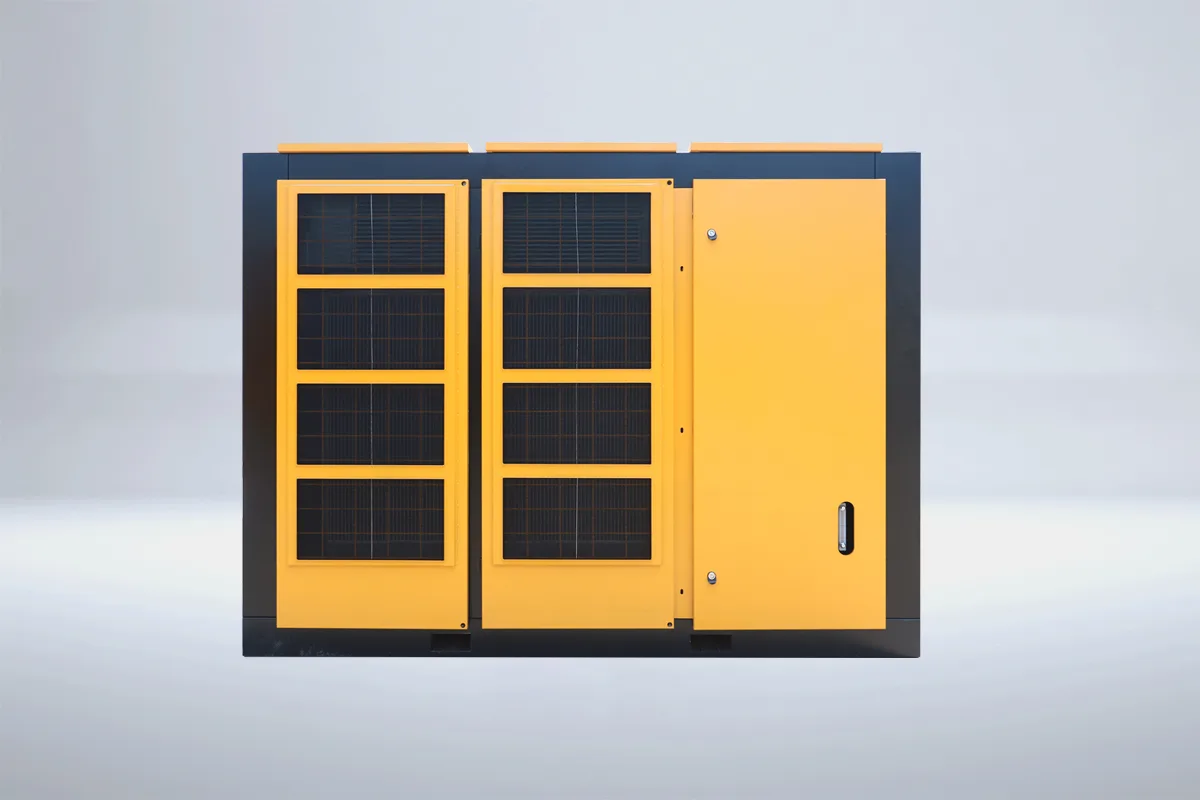
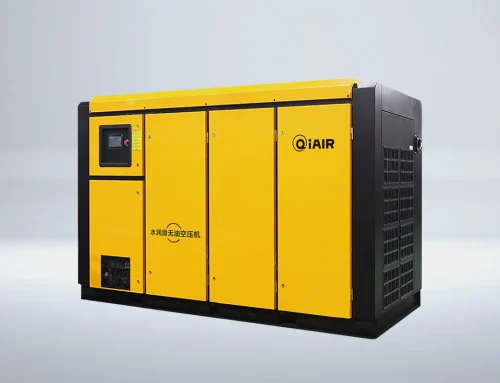
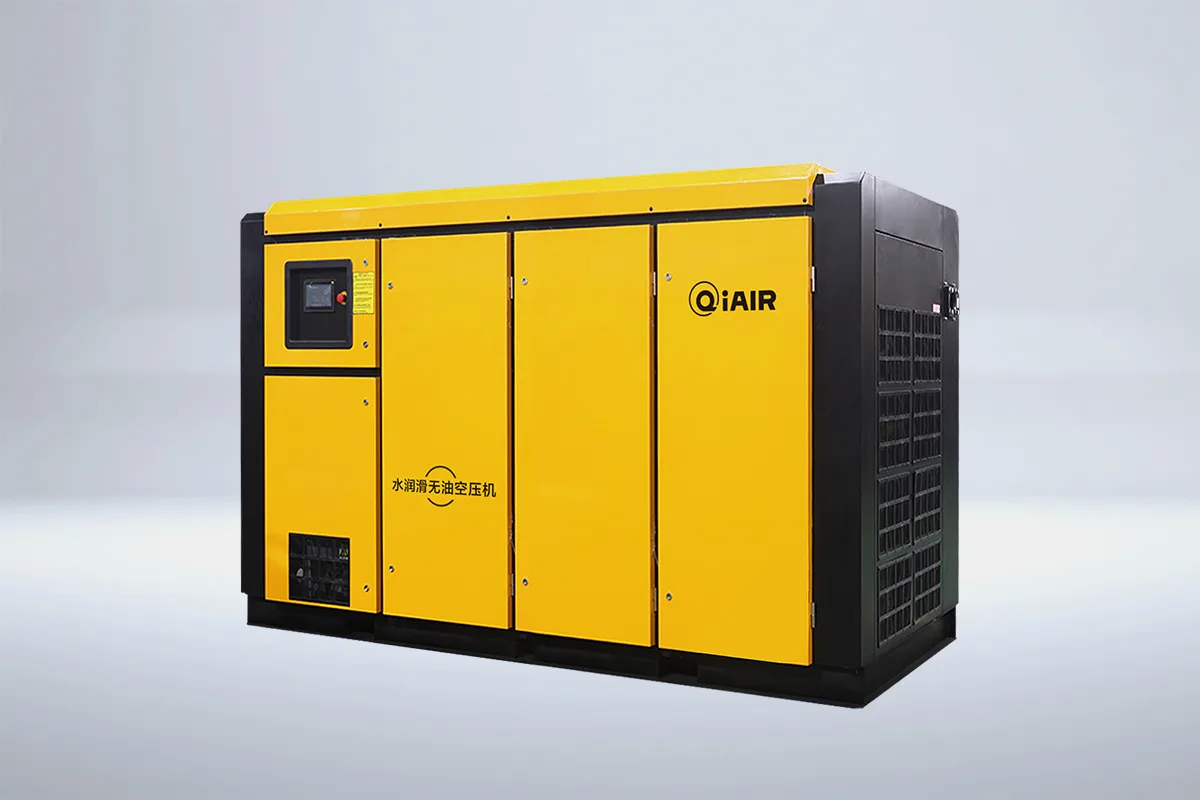
QiAir, a Chinese manufacturer and supplier of screw air compressors, is often asked to compare a used offer with a new machine, and this checklist is the same one our team uses when advising customers on that decision.
Inspect the air end and the machine under load
Run the machine under load if at all possible, and record discharge temperature, pressure, and motor current at full load, comparing them with the manufacturer's rated figures. A machine that cannot reach rated pressure, runs hot, or draws abnormal current has an air-end or control problem that needs pricing into the deal, not ignoring. Listen for whining, knocking, or vibration, and check for oil in the discharge air, which points to separator or seal wear.
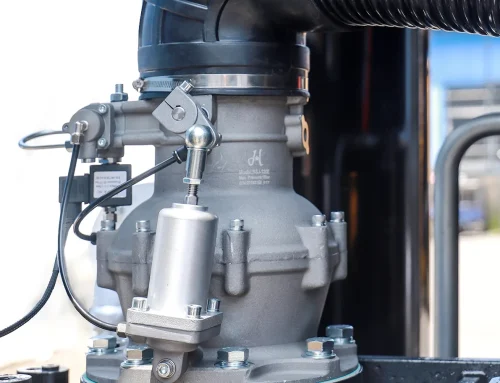
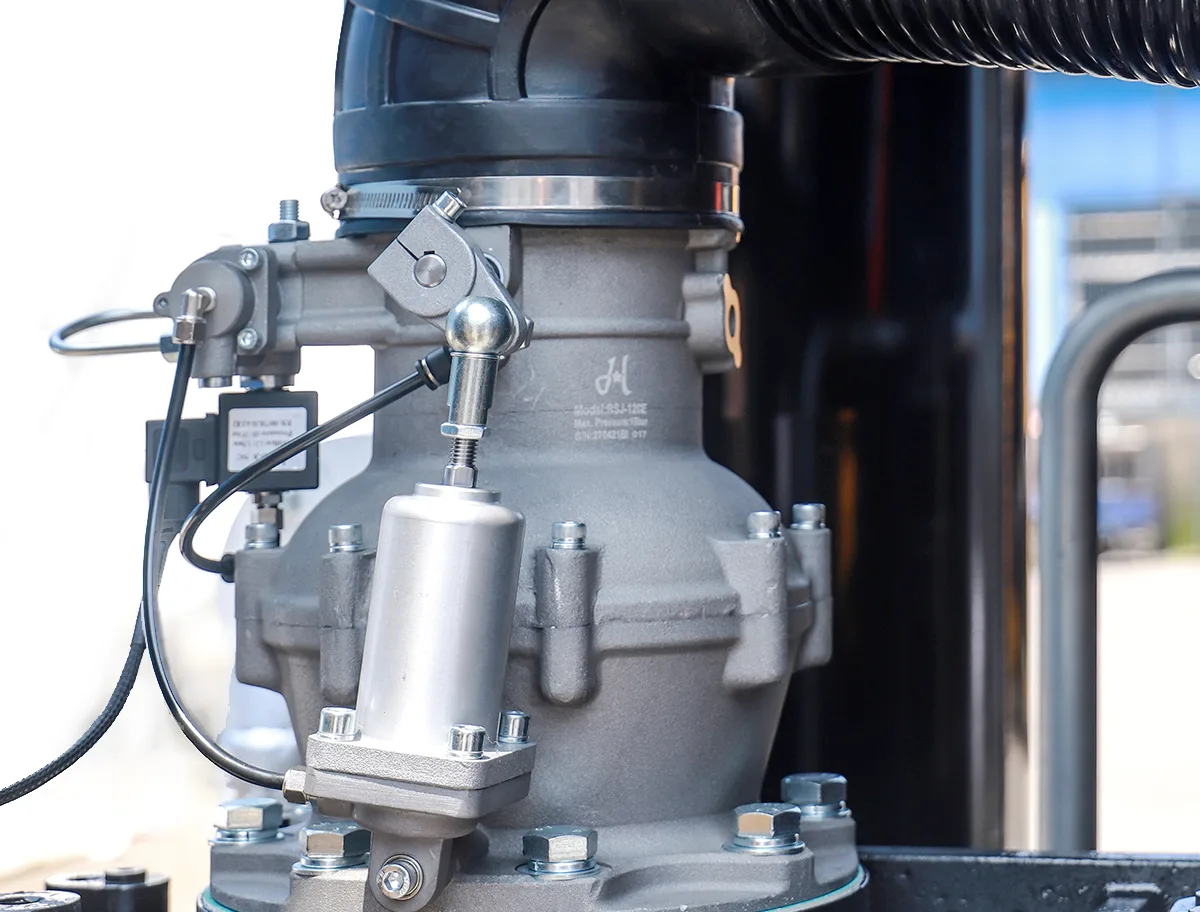
Inspect physically too: oil leaks around seals and joints, damaged cooler fins, corroded electrical cabinets, and worn couplings all signal maintenance history. Ask for an oil sample analysis if the seller will allow it: rising wear metals and silicon in the oil reveal air-end wear and dust ingress that a visual inspection cannot show.
- Run under load and record pressure, temperature, and current against rated figures.
- Check for oil carryover, leaks, cooler damage, and abnormal noise or vibration.
- Request oil analysis and service records; absence of records is itself a warning.
Hour-meter traps and paperwork checks
Hour meters can be replaced, reset, or disconnected, so treat the displayed hours as a claim to verify, not a fact. Cross-check hours against service records, oil-change invoices, filter purchases, and the condition of wear items: a machine showing low hours but worn couplings, heavily serviced coolers, and no records deserves scepticism. Also confirm the machine's age from its serial number with the manufacturer where possible.
Check paperwork thoroughly: ownership, any outstanding finance or lease, the reason for sale, and whether manuals, wiring diagrams, and control passwords are included. Confirm parts availability for the exact model and year, because a machine whose controller or air-end parts are obsolete can become unrepairable at any failure, whatever its condition today.
Total cost: used price plus repairs versus new
Price the used machine honestly: purchase price plus transport, installation, immediate repairs, a full service with oil and all filters, and a contingency for the air end if inspection raised doubts. Compare that total with a new machine's price, warranty, efficiency, and expected service life, and include energy: a worn used machine with higher pressure drop and lower delivery can cost significantly more in electricity every year.
Often the comparison favours new, especially when a China manufacturer can supply a new machine with warranty, documented efficiency, and spares support at a competitive price. QiAir provides that comparison for buyers weighing a used offer, because the right decision is the one with the lowest total cost over the next five years, not the lowest price on the day of purchase.
Frequently asked questions
How many hours is too many for a used screw compressor?
There is no fixed limit. Condition, service history, and oil analysis matter more than hours alone, but machines beyond 30,000 to 40,000 hours without an air-end overhaul need careful pricing for that work.
Can hour meters be trusted?
Not alone. Verify hours against service records, parts invoices, and physical condition, and confirm the serial number and age with the manufacturer where possible.
When is buying used a good idea?
When inspection and records are strong, parts are available, the price leaves room for a full service, and the machine's efficiency is close to a new equivalent. Otherwise, new is usually better value.
Related reading
- Screw Air Compressor Maintenance Checklist from a China Manufacturer
- How to Size a Screw Compressor: Air Demand Calculation Before You Buy from China
QiAir is a Chinese manufacturer and supplier of screw air compressors. If you are sourcing a screw compressor from China — for a factory, a textile mill, a construction site or a new production line — contact QiAir for a sized quotation, documented performance data and export support.