TL;DR — Direct answer: Single-stage screw compressors compress air in one step and suit moderate pressures and general workshop use at lower cost. Two-stage machines split compression with intercooling, run more efficiently at higher pressures and continuous duty, and cost more upfront. The right choice depends mainly on your pressure, duty cycle and energy costs — not on which design sounds more advanced.
Buyers comparing screw compressors quickly meet the single-stage versus two-stage question, and the marketing around it can be confusing. Both designs are proven, both have clear strengths, and the better choice for a given plant is usually decided by a handful of practical factors. This guide sets out the difference plainly, so you can judge a supplier’s recommendation against your own application.
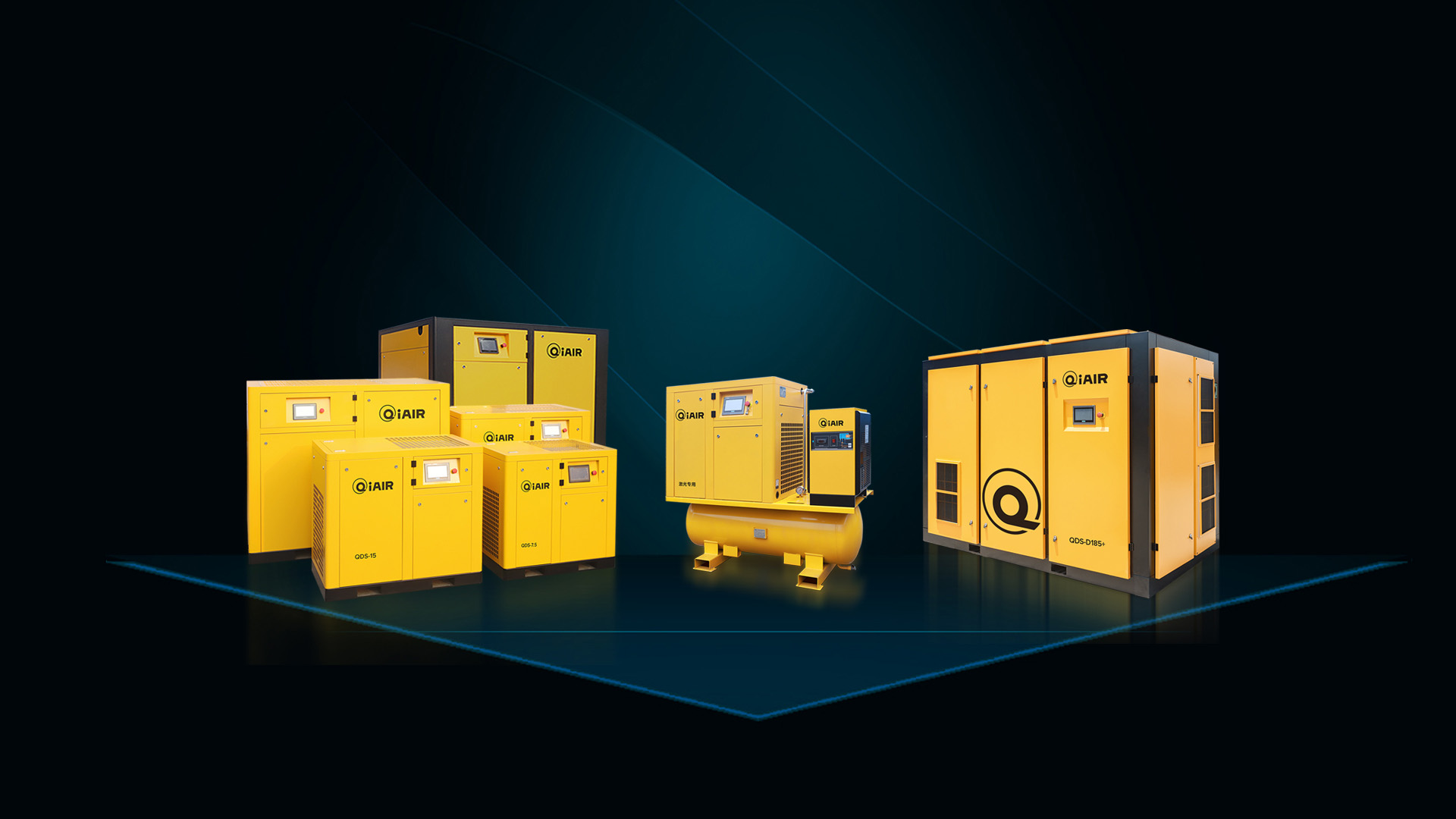
How the Two Designs Differ
In a single-stage machine, one pair of rotors compresses air from inlet pressure to final pressure in a single step. It is a simpler design with fewer components, which generally means lower purchase cost and straightforward maintenance. In a two-stage machine, the first stage compresses air to an intermediate pressure, an intercooler removes heat, and the second stage completes compression. That extra step and cooling stage add components and cost, but reduce the work needed for the second stage and lower discharge temperatures.
Efficiency and Pressure: Where Two Stages Win
The efficiency advantage of two-stage compression grows with pressure and with running hours. At moderate pressures and intermittent use, the difference may be modest and hard to justify against the price gap. At higher pressures, or in continuous-duty service where the machine runs thousands of hours a year, the accumulated energy saving becomes significant and often repays the higher purchase price over the machine’s life. If your plant pays high electricity prices or runs around the clock, ask for a side-by-side energy comparison at your actual pressure and duty cycle rather than a generic claim.
Cost, Maintenance and Reliability Compared
Single-stage machines win on simplicity: fewer parts, familiar service routines and lower initial investment. Two-stage machines need attention to the intercooler and to both air ends, and service access matters more because there is more to inspect. Neither design is inherently unreliable — reliability depends on build quality, installation, inlet air cleanliness and service discipline. When comparing lifetime cost, include purchase price, energy at your duty cycle, service costs and the value of uptime; a cheaper machine that runs inefficiently for a decade is not the cheaper machine.
Which Type Suits Which Application?
General workshops, intermittent use and moderate-pressure applications are usually well served by a single-stage machine, especially where budget matters and running hours are limited. Continuous production, high-pressure work such as laser cutting or PET blowing, and plants where energy is a major cost are the natural territory of two-stage machines. Variable-speed drive versions exist in both designs, so the stage question and the drive question should be decided separately: first choose the compression design for your pressure and duty, then choose fixed or variable speed for your load pattern.
How to Decide With Your Supplier
Give your supplier your working pressure, daily running hours, load pattern and electricity context, and ask for a written comparison: purchase price, specific power at your pressure, expected service scope, and the assumptions behind any energy-saving claim. A supplier that recommends the simpler, cheaper machine where it genuinely fits — and the two-stage machine where the numbers support it — is giving you advice you can trust. That judgement is what you are paying for when you choose a manufacturer, not just the machine itself.
Frequently Asked Questions
Is a two-stage screw compressor always better than a single-stage one?
No. Two-stage machines are more efficient at higher pressures and continuous duty, but single-stage machines are simpler and cheaper and are often the better value for moderate pressures and intermittent use.
Does a two-stage compressor need more maintenance?
It has more components, including an intercooler and a second air end, so service scope is larger — but with proper maintenance it is a durable, long-life design.
Can I add a second stage to an existing single-stage compressor?
No, this is not a practical retrofit. Stage design is fundamental to the machine. If your needs change, the right step is to select a new machine sized for the new duty.
Talk to QiAir, a China Screw Compressor Manufacturer and Supplier
QiAir, a China screw compressor manufacturer and supplier, builds both single-stage and two-stage screw compressors and recommends the type that fits your pressure, duty and budget. Visit QiAir to discuss your application, request a quotation, and learn how a Chinese manufacturer and supplier of screw air compressors can support your factory — from selection and sizing to installation guidance and after-sales support.
Related reading: Browse more guides in the screw compressor blog.