
TL;DR — Direct answer: A compressor in a petrochemical plant is judged first on safety, not efficiency, because the air it makes serves instrument systems, nitrogen generation and utility air in areas where a spark or a hot surface can be catastrophic. That means hazardous-area classification drives the design: certified motors and electrics for the zone, controlled surface temperatures, proper ventilation and gas detection around the compressor room, and a maintenance regime that treats certification as a living condition, not a one-time label. An uncertified machine in a zoned area is not a bargain; it is a shutdown waiting for an inspector to find it.
Walk through a refinery utility building and the compressors look unremarkable, which is exactly the point. Everything that could ignite — motors, starters, heaters, even the lighting — has been selected for the zone it sits in, and the machines run under a maintenance regime where a damaged cable gland or a missing bolt is a safety finding, not a cosmetic one. The compressor's job, supplying instrument air that keeps valves and shutdown systems alive, makes it safety-critical infrastructure.
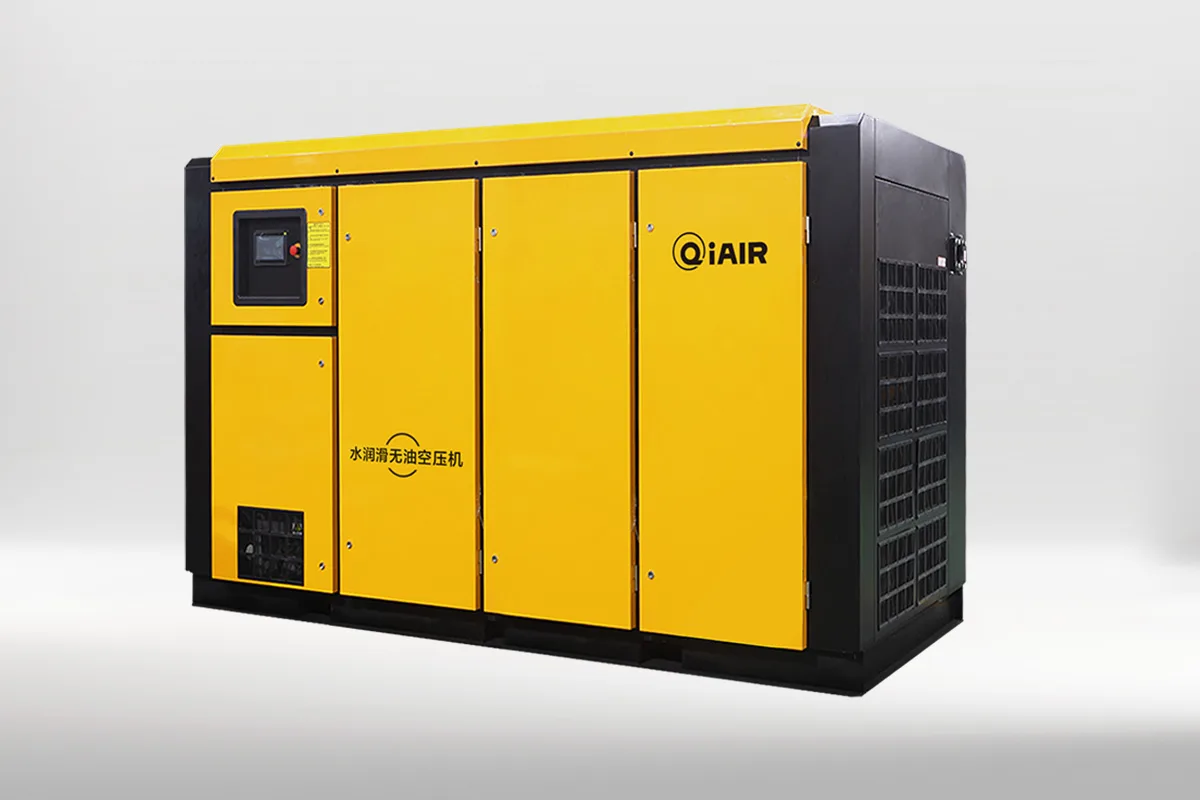
QiAir, a Chinese manufacturer and supplier of screw air compressors, advises oil, gas and petrochemical customers on utility and instrument air systems, and the conversation always starts with zoning: what zone the machine sits in, what gas group and temperature class apply, and which certification the site's authority accepts. Those answers come before any discussion of flow or pressure.
Zoning first: the certificate follows the area, not the machine
Hazardous areas are classified by how often an explosive atmosphere occurs: Zone 0, 1 or 2 for gases, with gas groups and temperature classes narrowing the allowed equipment further. A compressor for Zone 2 service needs different certification from one for Zone 1, and a machine certified for one gas group may not be acceptable for another. The site's area classification drawing is the governing document, and any compressor order should reference its zone, gas group and temperature class explicitly.
Certification must also match the accepting authority: ATEX for European sites, IECEx internationally, and local schemes elsewhere. A certificate that the site's insurer or regulator does not recognise is decoration. Buyers should ask for the certificate number, the certifying body and the exact scope — motor, starter panel, heaters, instrumentation — because a certified motor bolted to an uncertified starter panel is not a certified package. QiAir confirms the certification scope in writing on export petrochemical orders for this reason.
Instrument air reliability in harsh conditions
Instrument air is the plant's nervous system: it drives control valves, shutdown valves and analysers, and its failure can force a plant shutdown or, worse, leave a safety valve without air. Instrument air systems therefore use redundancy as standard — duty and standby machines, duplex dryers delivering a dew point 10 degrees below the lowest ambient temperature the lines will see, and filtration that protects delicate valve positioners from particles and oil.
Ambient conditions in petrochemical sites are harsh: coastal salt air corrodes coolers, desert heat pushes discharge temperatures up, and cold climates freeze condensate in outdoor lines. The compressor room needs ventilation sized for the heat load, intake air drawn from a clean location, and a winterisation plan where temperatures fall below freezing — heat tracing on drains and outdoor lines, and dryer dew points set for winter, not for the commissioning day in summer. A system designed for summer commissioning fails on the first cold night.
- Reference the site area classification drawing in the compressor order.
- Confirm certificate scope covers motor, starter and instrumentation together.
- Set dryer dew point for the coldest ambient the lines will see.
Maintenance under certification: small lapses, large consequences
Certified equipment stays certified only if it is maintained as certified equipment. Replacing a certified cable gland with a standard one, fitting a non-specified fan, or leaving an enclosure bolt missing can void the certification for that item, and an inspector who finds it can shut the system down. Maintenance teams in zoned areas need training on these details, and spare parts must be like-for-like certified items, not visually similar substitutes.
The maintenance schedule itself should reflect the criticality: shorter inspection intervals for machines serving instrument air, documented inspection of electrical enclosures and earthing, and thermographic surveys of starter panels where the site practice requires them. QiAir recommends petrochemical customers keep a certification file per machine — certificates, inspection records, parts lists — alongside the maintenance log, because when an auditor asks for it, the file is the answer.
Frequently asked questions
Can a standard compressor be used in a hazardous area?
No. Equipment in zoned areas must be certified for that zone, gas group and temperature class, and the certification must be recognised by the site authority.
Why is instrument air redundancy standard in petrochemical plants?
Because instrument air drives safety-critical valves; losing it can force a shutdown or leave a safety valve without air, so duty-standby machines and duplex dryers are the norm.
What maintenance voids hazardous-area certification?
Fitting non-certified glands, fans or parts, or leaving enclosures damaged or incomplete, can void certification for that item and draw an inspector shutdown.
Related reading
- Screw Air Compressor Maintenance Checklist from a China Manufacturer
- How to Size a Screw Compressor: Air Demand Calculation Before You Buy from China
QiAir is a Chinese manufacturer and supplier of screw air compressors. If you are sourcing a screw compressor from China — for a factory, a textile mill, a construction site or a new production line — contact QiAir for a sized quotation, documented performance data and export support.