
TL;DR — Direct answer: A vacuum packaging equipment plant typically runs 7 to 8 bar, 5 to 12 m3/min, on 37 to 90 kW rotary screw compressors, with a 3°C pressure dew point dryer and 0.01 micron filtration protecting CNC machining, chamber assembly and leak testing from moisture and oil. QiAir, a Chinese screw compressor manufacturer and supplier, sizes systems with clean, stable air so test results stay trustworthy.
Vacuum packaging equipment makers build machines that must hold a vacuum for years in food factories, so their own factory air has to be cleaner than most. CNC machining cuts stainless chambers and sealing bars to tight tolerances, assembly teams fit pumps and sensors by hand, and every finished machine is leak-tested before it ships. Dirty air anywhere in that chain becomes a warranty claim.
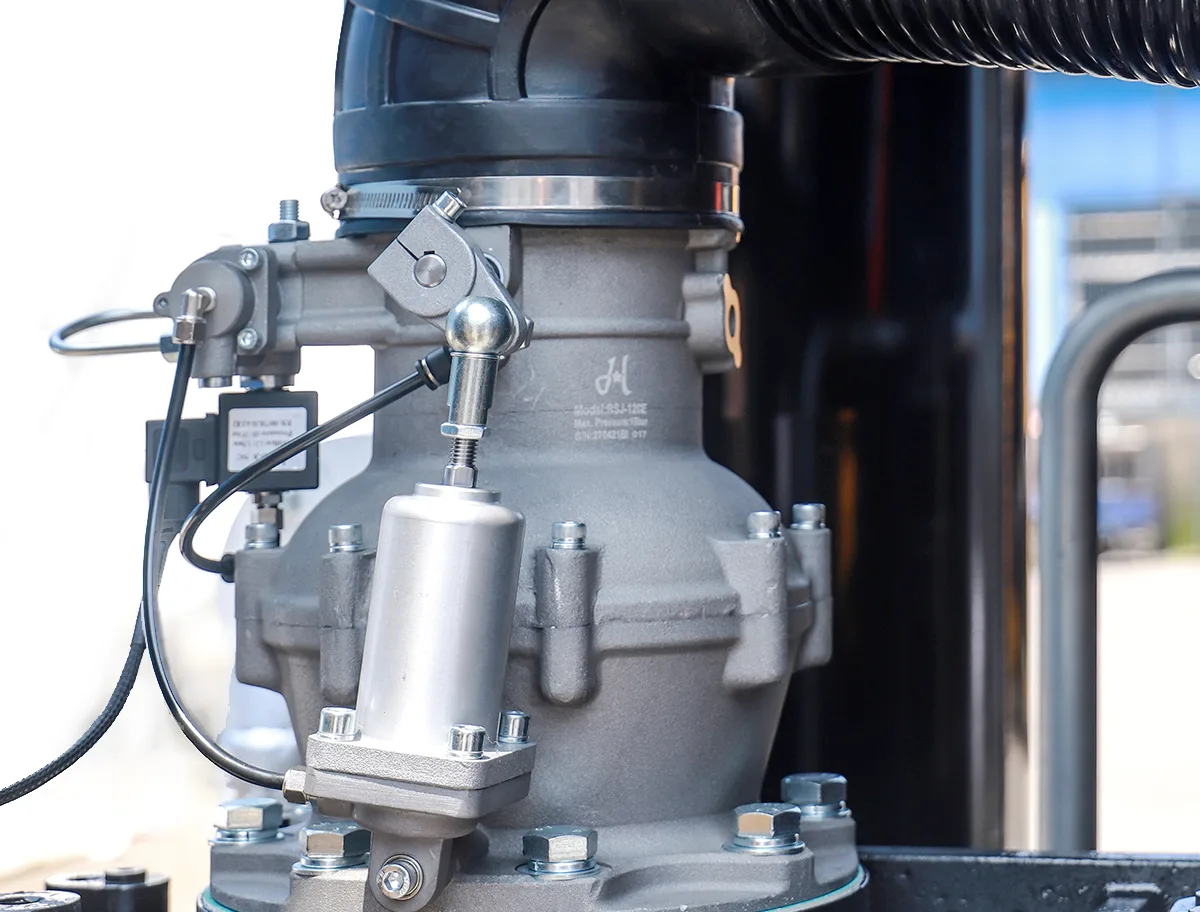
The volumes are modest but the quality bar is high. A packaging machine that leaks because its own assembly air carried oil into a seal will fail its factory acceptance test, and the rework means stripping the chamber apart. Air treatment is therefore a production issue, not a facilities afterthought.
CNC Machining, Stainless Chambers and Sealing Bars
Chamber machining is the first place air quality shows up. CNC mills and lathes use compressed air for tool changing, chip blowing and workholding, and a mist of oil in the blow-off air coats a freshly machined stainless surface that later needs to be welded or sealed. Keep the machining branch filtered to 0.01 micron and dried to a 3°C pressure dew point.
Sealing bars are the heart of a vacuum packer, and their machining tolerance is measured in hundredths of a millimetre. Pneumatic clamps hold the bar while it is ground flat, and a pressure fluctuation during grinding leaves a wave in the bar that later shows up as a weak seal on a food pouch.
Stainless steel brings a corrosion risk that carbon steel shops never face. Chloride from cutting fluids, combined with moisture in the air lines, can pit stainless pipework and chambers from the inside. Use coated or stainless air pipework on the clean branches, drain condensate traps daily, and keep the dryer working properly through summer humidity.
- Filter machining air to 0.01 micron with a 3°C dew point
- Regulate grinder air to a steady 7 bar
- Use coated pipework on clean stainless branches
Assembly, Pneumatic Controls and Vacuum Pumps
Assembly benches run on dozens of small pneumatic tools. Screwdrivers, riveters and presses cycle all day, and their combined demand is spiky rather than steady, with peaks when several benches start a machine build together. A variable-speed drive compressor follows those peaks smoothly, while a fixed-speed machine would cycle on and off and wear out its starter.
Vacuum pumps are fitted and tested in the same hall, and their test rigs need instrument air that is dry and oil-free. A pump that passes its test on contaminated air may fail in the customer's food plant, where the same oil would reach the product.
Control cabinets and PLCs use air for cooling and for pneumatic logic in older machines. Dust in the cabinet cooling air settles on contacts and causes intermittent faults that are hard to trace, so filter the cabinet air separately and keep the compressor intake away from the machining area where metal dust is heaviest.
- Use a VSD compressor for spiky assembly-bench loads
- Give pump testing its own filtration and dew point alarm
- Filter cabinet cooling air separately from workshop air
Leak Testing, Calibration and Clean Air Standards
Leak testing is the gate every machine must pass before shipping. The test pressurises the chamber and watches for a pressure decay over several minutes, and the test air itself must be clean and dry, because moisture inside the chamber changes the pressure reading and can mask a real leak. A small local dryer at the test bench is cheap insurance against a false pass.
Calibration of vacuum sensors and gauges needs air that is stable as well as clean. A sensor calibrated on air that drifts in pressure or carries oil vapour will read wrong in the field, and the customer will blame the machine rather than the calibration. Keep the calibration bench on its own regulated branch at 6 bar, and log the dew point during every calibration session.
Food-industry customers audit the air that built their machine. They ask what filtration the factory uses, whether the air is tested, and how often filters are changed, because the machine will pack food for years. Keep written air-quality test records, change filter elements on schedule, and test the air at the furthest assembly bench at least once a quarter.
- Fit a local dryer at each leak-test bench
- Calibrate sensors on a regulated 6 bar clean branch
- Keep written air-quality test records for customer audits
Buying from China: Sizing Sheet for Packaging Equipment Plants
Before requesting a quotation, gather four numbers: the CNC machine count and their simultaneous tool-change demand, the assembly bench tool count and peak flow, the leak-test and calibration air quality specification, and the distance from the compressor room to the furthest test bench. A supplier that quotes from the factory floor area alone will miss the test-air specification entirely.
For most vacuum packaging equipment plants the practical range is a 37 to 75 kW variable-speed drive screw compressor at 7.5 or 8 bar, with a refrigerated dryer, 0.01 micron filtration, carbon adsorption and a 2,000 to 3,000 litre receiver. Larger plants with several machining halls usually run a duty-plus-standby pair so maintenance never stops a machine build.
When comparing Chinese suppliers, ask for the full package price including dryer, filters, receiver and commissioning spares, and confirm the export packing, voltage and documentation for your country. Check the filter element life, the service interval and the availability of filters and airends through the supplier's export channel. QiAir, a Chinese screw compressor manufacturer and supplier, quotes the complete package so buyers compare real installed cost.
- Collect CNC, assembly and test loads before quoting
- Budget 37 to 75 kW VSD plus dryer and carbon filtration
- Confirm spares, voltage and export packing in writing
Frequently asked questions
What pressure does a vacuum packaging equipment plant normally run?
Most run 7 to 8 bar at the header, regulated to 6 bar at calibration benches and 6 to 7 bar at machining centres, so clamping and test readings stay consistent.
Why does leak testing need its own dryer?
Moisture in test air changes the pressure reading inside the chamber and can mask a real leak. A small local dryer at the test bench keeps results trustworthy.
Do food-industry customers audit factory air?
Often, yes. They ask about filtration, testing frequency and filter change records, because the machine will pack food for years. Keep written air-quality records ready.
Should machining and test air share one filter?
They can share one compressor room, but give leak testing and calibration their own filtration chain, so machining dust and oil can never reach a test bench.
Related reading
- Single-Stage vs Two-Stage Screw Compressors: Which One a China Manufacturer Recommends
- Buying Screw Compressors from China: A Ranking Checklist for Choosing a Supplier
QiAir is a Chinese manufacturer and supplier of screw air compressors. If you are sourcing a screw compressor from China — for a factory, a food plant, a construction site or a new production line — contact QiAir for a sized quotation, documented performance data and export support.