
TL;DR — Direct answer: A fertilizer plant combines three air problems that rarely appear together elsewhere: ammonia and urea process areas where air quality and materials matter, granulation halls full of fine, hygroscopic dust that clogs anything it touches, and bagging and handling lines that run in bursts around the clock. The system that works there separates process-support air from general plant air, delivers a steady 7 to 8 bar to granulation and bagging users, protects intakes against fertilizer dust, and treats ammonia-area equipment selection with the seriousness it deserves. Size on the granulation line peak, not on the plant average, and keep the compressor room out of the dustiest, most corrosive corner of the site.
Walk a fertilizer plant and the air system story changes bay by bay. Near the ammonia and urea units the concern is chemical exposure and the integrity of every seal and valve; in the granulation hall it is dust, tonnes of it, fine enough to coat a cooler in a shift; at the bagging line it is bursts of demand as baggers, palletisers and conveyors cycle together. One header serves all three, but the three bays punish a careless design in completely different ways.
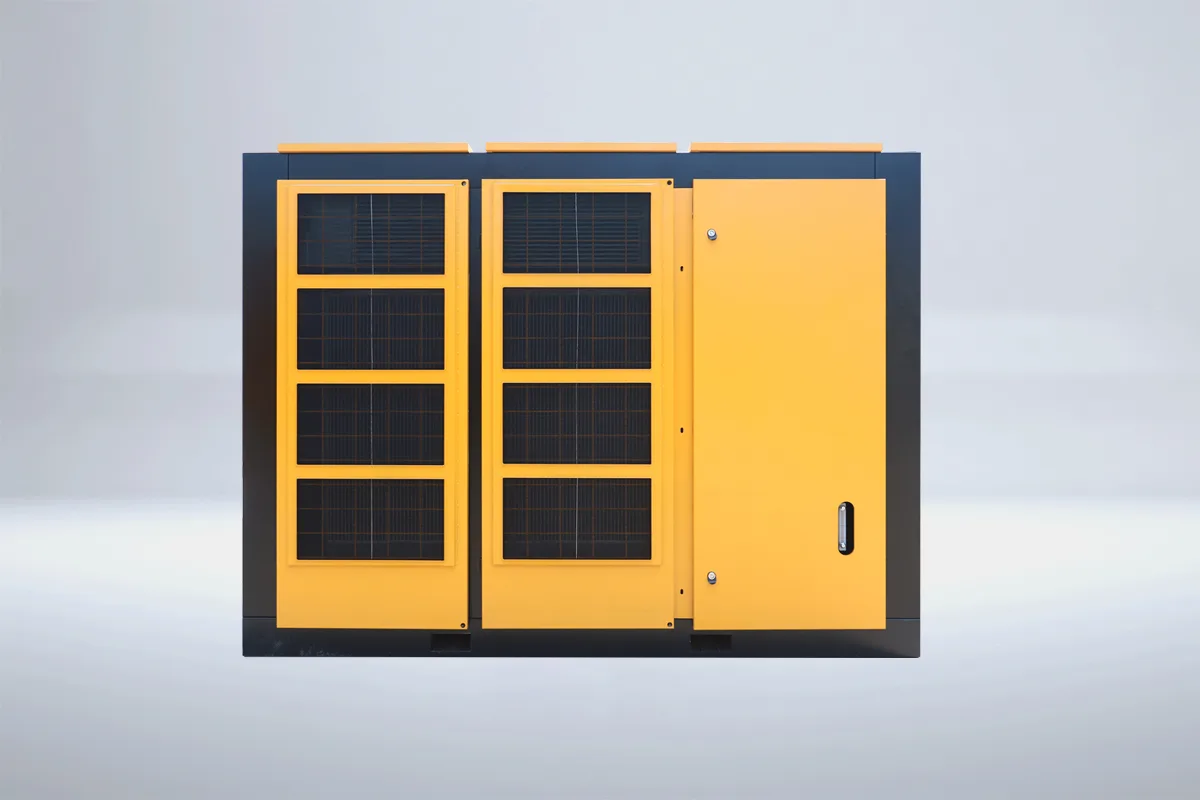
QiAir, a Chinese manufacturer and supplier of screw air compressors, sizes fertilizer-plant air from the process and granulation schedules together, because a machine sized for bagging alone will sag when granulation peaks, and a machine sized for neither chemical nor dust reality will not last a season. The sections below take each bay in turn.
Ammonia and urea areas: materials, ventilation and separation
Air systems serving ammonia and urea process areas need careful materials and layout decisions before any discussion of flow. Ammonia attacks certain materials, corrodes unprotected steel and electronics, and demands ventilation and gas detection around any enclosed compressor or plant room near the process. The compressor room should be sited away from ammonia exposure where the plant layout allows, with intake air drawn from a clean location, and any air equipment that must sit in or near an ammonia area specified with compatible materials and seals. A standard workshop machine dropped into an ammonia bay is a corrosion and safety story waiting to happen.
Process-support air in these areas is typically continuous and control-critical: valve actuation, instrumentation and process support that must not fail mid-reaction. That argues for duty-and-standby capacity for critical process air, with automatic changeover tested regularly, and for air treatment that keeps moisture and oil out of control valves and instruments. Document the area classification and chemical exposure in the compressor order, because a supplier that does not know the ammonia context cannot specify the right machine for it.
Granulation: dust, moisture and peak demand
Granulation is where fertilizer dust does its worst work. Prilling and granulation halls generate fine, hygroscopic dust that absorbs moisture, cakes onto cooler fins and intake filters, and corrodes surfaces it settles on. Intake air for the compressor room must be drawn from outside the granulation hall, ideally ducted from a clean location, with pre-filtration where dust levels are high, and cooler cleaning on a schedule tied to production tonnage rather than to the calendar. A granulation plant that cleans coolers monthly while running three shifts will trip on high temperature long before the month ends.
Granulation air demand itself is bursty and high-volume: fluidisation, coating, conveying and dedusting all draw together when a granulation line runs, and the sizing sheet should capture that coincident peak at 7 to 8 bar rather than averaging it across a quiet shift. A receiver of 2,000 litres or more on a mid-size granulation line absorbs line starts and coating bursts, and a VFD machine follows the line across product changes better than a fixed-speed machine idling through a grade change. Wet air is a particular enemy here: moisture in granulation or conveying air makes product clump and stick, so drying to a dew point suited to the hall, with drains that actually handle the water load, is a product-quality measure, not a luxury.
- Duct compressor intake air from outside the granulation hall.
- Clean coolers and filters on a production-tonnage schedule, not monthly by default.
- Dry granulation and conveying air thoroughly: wet air makes product clump.
Bagging, handling and the export checklist
Bagging and handling lines — bag fillers, sealers, palletisers, conveyors and wrapping — draw air in pulses tied to the bagging rate, and a line that bags 40 tonnes an hour stacks those pulses into a coincident peak that dwarfs the plant average. Size the bagging circuit on the line rate at full production, confirm pressure at the farthest bagger during a full-rate run, and keep bagging air dry and filtered, because moisture or oil at a bag sealer shows up as weak seals and product loss, not as a compressor fault. Dust collection pulse-jet systems on bagging lines need stable pressure too, or their filters blind and the whole dust system degrades.
Before ordering from China, a fertilizer-plant buyer should document the ammonia and urea area conditions, the granulation line schedule with coincident demand, bagging rates, dust levels, required pressure at the farthest user, and voltage and frequency. QiAir sizes export fertilizer orders from that sheet, and confirms materials compatibility for any equipment sited near ammonia exposure. Get the process context in writing, and the machine that arrives survives the bay it will actually serve.
Frequently asked questions
Why is fertilizer dust so hard on compressors?
It is fine and hygroscopic: it cakes onto filters and cooler fins, corrodes surfaces and causes overheating trips. Clean ducted intake air and production-tied cleaning prevent most of it.
What pressure does fertilizer plant air need?
General plant air typically runs at 7 to 8 bar. Size on the granulation and bagging coincident peak, not on the plant average.
Does ammonia exposure change compressor selection?
Yes: materials, seals, ventilation and siting all need to reflect ammonia exposure, and any equipment near ammonia areas should be specified with that context in the order.
Related reading
- Screw Compressor Heat Recovery: Turning Waste Heat into Factory Savings
- IoT Monitoring for Screw Compressor Rooms: A China Supplier's Practical Setup
QiAir is a Chinese manufacturer and supplier of screw air compressors. If you are sourcing a screw compressor from China — for a factory, a textile mill, a construction site or a new production line — contact QiAir for a sized quotation, documented performance data and export support.