
TL;DR — Direct answer: A commercial printing plant judges compressed air by print quality: press pneumatics, ink and dampening controls, web handling, bindery and finishing equipment all draw on one header, and wet or oily air shows up as register faults, ink problems, paper handling jams and wasted print runs. The working system is oil-free or rigorously filtered, dried to a dew point that prevents condensation in press lines, and sized on the coincident press peak, because a printing plant that sizes on average demand starves its fastest press at full speed.
A printing press is a precision machine wrapped around a pneumatic system: grippers, feeders, dampening controls, web tensioning and delivery all run on air, and the bindery and finishing lines behind the press, folders, cutters, stitchers and packers, run on the same header. The work is unforgiving of air faults because a register error or a handling jam wastes printed stock that cannot be unprinted, and a press stopped mid-run loses the makeready time as well as the run itself.
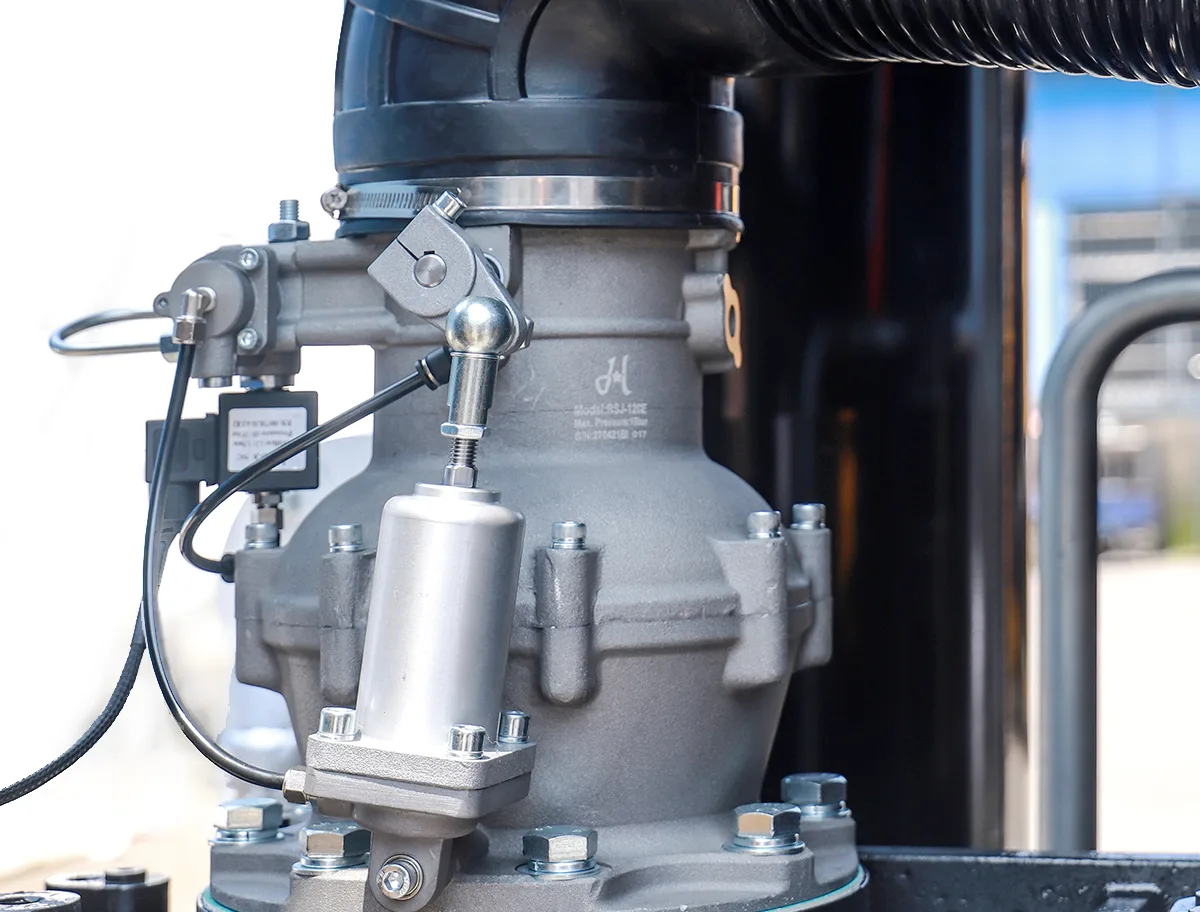
QiAir, a Chinese manufacturer and supplier of screw air compressors, sizes printing-plant air from the coincident press peak, because the fastest press at full speed, not the plant average, decides whether header pressure holds at 7 to 8 bar. The sections below follow the sheet from press to bindery.
Press air: register, dampening and web handling
Press pneumatics need clean, dry, stable air above all. Dampening and ink controls are sensitive to moisture and particles, web handling and tensioning react to pressure variation as register drift, and feeder and delivery actuators cycle continuously through a run. A pressure dip during a high-speed run produces register faults and handling errors that appear as wasted stock, and the fault is often misdiagnosed as a press problem when the header is the real cause. Header pressure logging at the farthest press during a full-speed run is the diagnostic that settles that question.
Oil-free compression removes the largest contamination source for press air, and staged filtration with final filtration at the press protects dampening and ink systems from particles and moisture. The dew point must suit the coldest press line, and it must be verified at the press, because a dryer outlet reading does not guarantee dry air at a press across a long, cool pipe run. Paper dust is the plant's own contaminant: pressroom paper dust loads intake filters and point-of-use filters alike, so filter pressure-drop logging and a change schedule tied to condition keep that protection real.
Bindery, finishing and the coincident peak
Bindery and finishing loads are steadier than press loads but they run together with the press at full production, and that coincidence is what sizes the system. Folders, cutters, stitchers, perfect binders and packers each draw air in their own pattern, and the sizing sheet must list every user, its flow at working pressure and which users truly run together during a full production run. A receiver of 1,500 to 3,000 litres on a mid-size plant absorbs press and finishing cycle peaks, and a VFD machine follows the plant rhythm across short runs, long runs and makeready gaps better than a fixed-speed machine.
Energy and uptime follow the same sizing discipline. A printing plant runs shifts with sharp peaks and quiet makeready gaps, so a machine that tracks real demand saves energy on every quiet hour, and duty-standby capacity for the fastest press protects the run that matters most. Remote monitoring of discharge temperature, filter pressure drop and header pressure turns air from a suspected cause of print faults into a logged, provable utility, which is what a pressroom manager needs when a run goes wrong.
- Size on coincident press and finishing demand at full speed.
- Keep press air oil-free, dry and finally filtered at the press.
- Log header pressure at the farthest press during a full-speed run.
Buying from China: the printing sizing sheet
Before ordering from China, a printing buyer should document the coincident press and finishing demand, the press air quality requirements, the required pressure at the farthest press, the paper-dust conditions at the compressor room, and voltage and frequency. QiAir sizes export printing orders from that sheet, and confirms the filtration and redundancy arrangement against the fastest press rather than quoting a single machine. Get the full-speed coincident peak in writing, and the system that arrives protects print quality instead of merely supplying air.
Frequently asked questions
Why does wet air ruin print runs?
Because moisture and particles disturb dampening and ink controls and cause register faults and handling jams, wasting printed stock that cannot be reworked.
Should printing air be oil-free?
Yes where air serves presses and product-adjacent equipment: oil-free at the source removes the largest contamination risk, with staged filtration and final filtration at the press.
How should printing air be sized?
On coincident press and finishing demand at full production speed, with a receiver for cycle peaks and pressure confirmed at the farthest press.
Related reading
- Single-Stage vs Two-Stage Screw Compressors: Which One a China Manufacturer Recommends
- Buying Screw Compressors from China: A Ranking Checklist for Choosing a Supplier
QiAir is a Chinese manufacturer and supplier of screw air compressors. If you are sourcing a screw compressor from China — for a factory, a textile mill, a construction site or a new production line — contact QiAir for a sized quotation, documented performance data and export support.