
TL;DR — Direct answer: A brewery runs on air that never touches the beer yet decides whether the beer stays clean: pneumatic valves on the brewhouse, carbon dioxide and nitrogen handling support, keg washing and filling, and the bottling or canning line all draw on the same header, and a wet or oily air event shows up as off-flavours, stuck valves or a stopped packaging line. The working system is oil-free or rigorously filtered where air approaches product contact, dried to a pressure dew point that suits the coldest line in the cellar, and sized on the packaging peak, because a brewery that sizes on average brewhouse demand starves its filler at the end of the shift.
Walk a brewery at packaging time and the air system is doing four jobs at once: opening and closing valves across the brewhouse, driving keg washers and fillers, running the labeller and packer, and keeping pneumatic tools and cleaning equipment fed. None of that air goes into the beer in normal operation, yet the standard is high, because any air that reaches a product-contact surface, a keg interior or a filler head must be clean, dry and oil-free. A single wet-air event in a cold cellar condenses in lines, carries flavour taints and forces a cleaning cycle that costs a production window.
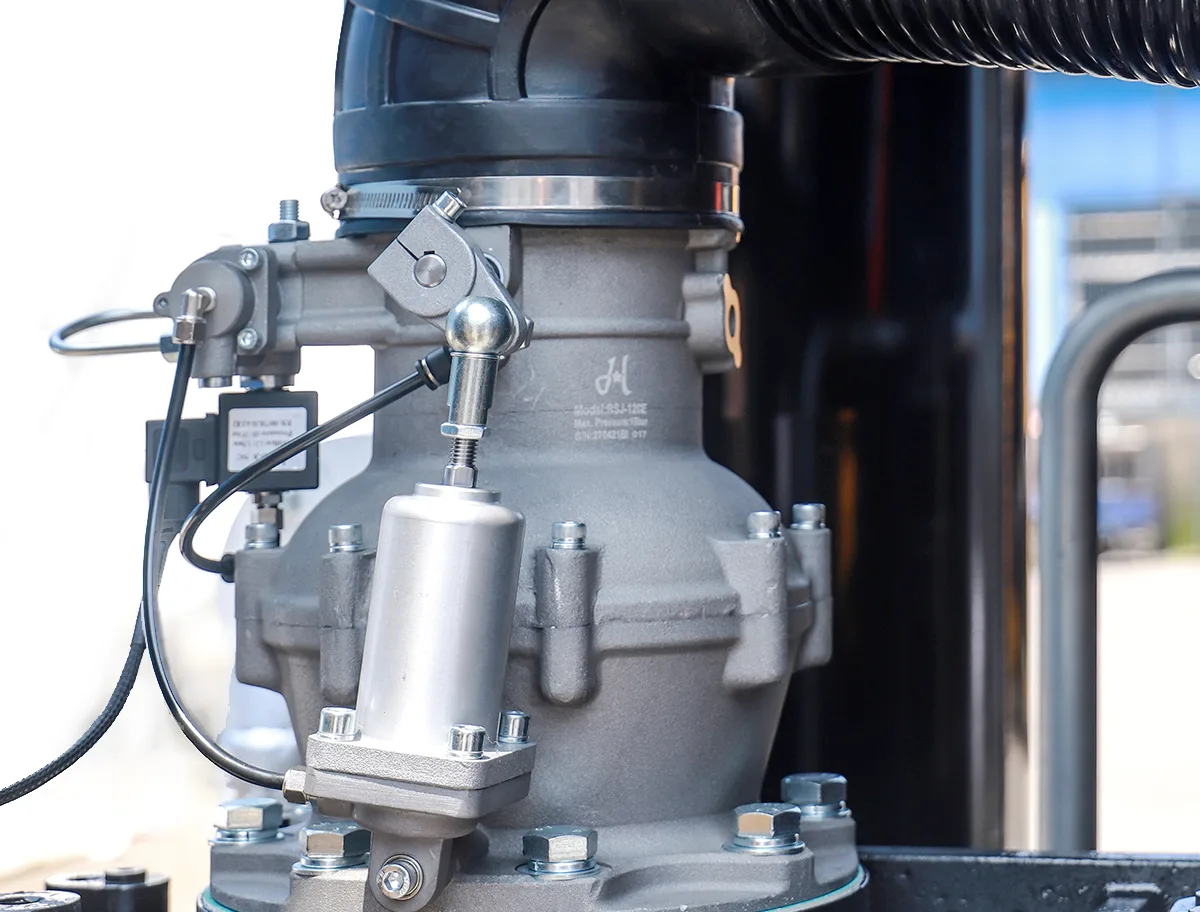
QiAir, a Chinese manufacturer and supplier of screw air compressors, sizes brewery air from the packaging line first and the brewhouse second, because the filler peak, not the average brewhouse load, is what decides whether the header holds pressure at 7 to 8 bar through the busiest hour. The sections below follow that peak from the brewhouse to the pack-out table.
Brewhouse, fermentation control and cellar air
On the brewhouse, air drives mash, lauter and whirlpool valves, transfer pumps and cleaning-in-place sequences. Fermentation control adds a steady, smaller load: tank valves, temperature-control actuators and sample systems that must work reliably for weeks while a batch ferments. The load is not large, but it is continuous, and a pressure dip that stalls a transfer valve during a brew can hold up the whole brewhouse schedule. A VFD screw compressor follows that rhythm better than a fixed-speed machine cycling through quiet fermentation days, and a receiver of 1,000 to 2,000 litres absorbs valve-cycle peaks without letting header pressure sag.
Cellar conditions set the drying requirement. Cold rooms and cellar pipe runs are where moist air condenses first, so the pressure dew point must suit the coldest line the air will see, typically minus 20 to minus 40 degrees Celsius for lines serving cold areas, verified at the far header rather than assumed from the dryer outlet. Intake air matters too: a compressor room beside a boiler house or a loading dock draws in heat, dust and exhaust, so the intake should sit in clean air and the room must be ventilated for the machine's full heat load, or discharge temperatures will climb on hot packaging days.
Kegging, bottling and canning: where the peak lives
The packaging line is the brewery's air peak, and it is unforgiving. Keg washers cycle valves and blow-out air in bursts, fillers demand stable pressure to hold fill levels, labellers and packers run continuously, and a pressure sag during a filler cycle produces underfills and rejects that cannot be reworked. The sizing sheet should list every packaging user, its flow at working pressure and which users truly run together during a full-speed run, plus a margin for leaks and a future line extension, because a brewery that adds a canning line without revisiting air capacity buys itself a filler problem.
Filtration follows the product-contact rule: air that can reach a keg, bottle or filler head goes through staged particulate and coalescing filtration, and oil-free compression removes the largest contamination source by design where that standard is required. Sterile or final filtration at the point of use protects the filler head itself, and a documented filter-change schedule tied to pressure drop, not to a calendar alone, keeps that protection real. A brewery that logs filter pressure drop and dew point weekly catches a loading filter before it becomes a packaging stop.
- Size on the packaging peak, not the brewhouse average.
- Dry air to suit the coldest cellar line, and verify dew point at the far header.
- Filter product-contact air in stages, with final filtration at the filler.
Buying from China: the brewery sizing sheet
Before ordering from China, a brewery buyer should document the packaging line's coincident demand, the brewhouse and fermentation valve list, the required pressure at the farthest filler, the coldest line temperature the air will see, and voltage and frequency. QiAir sizes export brewery orders from that sheet, and confirms whether the packaging peak needs a VFD machine, a larger receiver or duty-standby capacity for a no-stop packaging window. Get the filler peak in writing, and the machine that arrives holds pressure through the busiest hour of the week rather than merely covering the average brew.
Frequently asked questions
Why does brewery air need to be so dry?
Because moist air condenses in cold cellar lines, carries flavour taints and forces extra cleaning cycles. Dry air to a dew point suited to the coldest line, verified at the far header.
Should a brewery choose oil-free compression?
Where air can reach product-contact surfaces or filler heads, oil-free at the source removes the largest contamination risk by design; elsewhere, staged coalescing filtration is the minimum.
How should brewery air be sized?
On the coincident packaging-line peak at full speed, with a receiver for valve-cycle peaks and pressure confirmed at the farthest filler.
Related reading
- How to Choose the Best Screw Air Compressor Manufacturer in China for Your Factory
- Two-Stage PM VFD Screw Compressors: How a Top China Supplier Cuts Factory Energy Costs
QiAir is a Chinese manufacturer and supplier of screw air compressors. If you are sourcing a screw compressor from China — for a factory, a textile mill, a construction site or a new production line — contact QiAir for a sized quotation, documented performance data and export support.