
TL;DR — Direct answer: A battery gigafactory treats compressed air as a contamination control: electrode coating and drying, dry-room cell assembly, electrolyte filling support, pack assembly and testing all draw on air, and moisture or particles in dry-room air can ruin cells worth far more than the compressor that supplied the air. The working system is oil-free at the source, dried to an exceptionally low dew point for dry-room service, filtered in stages to the point of use, and built with duty-standby capacity, because a gigafactory line stopped by an air fault loses production at a scale no single machine justifies risking.
A gigafactory runs at a scale and a cleanliness level that few other plants combine: electrode coating lines kilometres long, dry rooms held at very low humidity for cell assembly, electrolyte handling areas with strict safety rules, and pack lines that assemble and test finished modules. Compressed air touches handling, coating support, assembly actuators, testing and packaging across all of it, and the dry room sets the standard, because air that enters a dry room must not bring moisture with it.
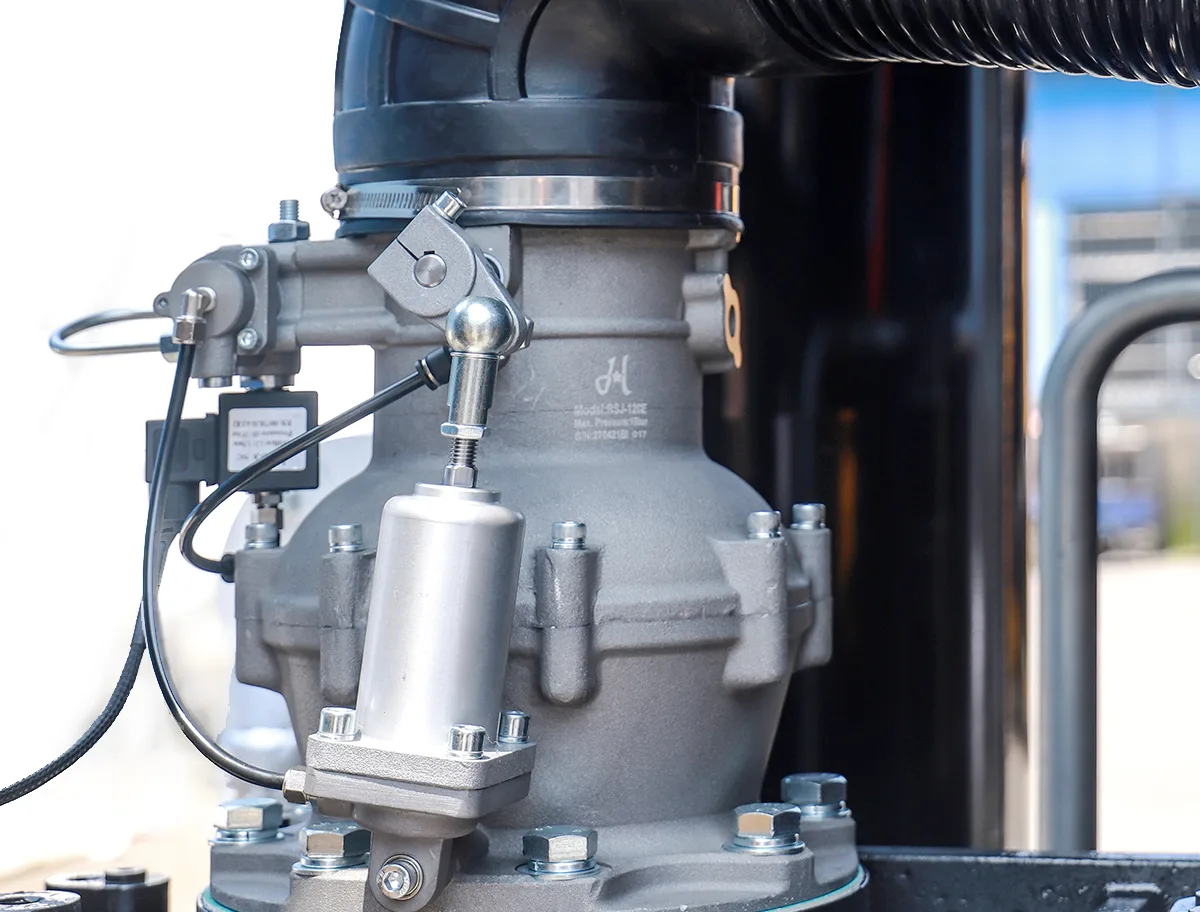
QiAir, a Chinese manufacturer and supplier of screw air compressors, sizes gigafactory air from the dry-room and coating loads first, because those loads set the dew point and cleanliness bar for the whole plant. The sections below follow the cell from electrode to pack.
Dry rooms and electrode coating: the dew point that decides quality
Dry-room air is the most demanding air in a gigafactory. Cell assembly rooms are held at very low humidity, often below minus 40 degrees Celsius dew point in the room itself, and any compressed air entering that room must be dried to suit it, or it becomes a moisture source inside the room it was meant to serve. Desiccant drying, staged filtration and point-of-use drying for dry-room users are the baseline, and dew point must be monitored continuously at the dry-room header with alarms, because a moisture excursion that is found after a production shift has already affected cells.
Electrode coating adds a second demanding load: coating and drying support, handling and slitting equipment that need clean, dry, stable air, because particles and moisture in coating air become coating defects and, downstream, cell defects. Oil-free compression removes the largest contamination source by design, and the treatment chain then handles particles and moisture to the standard each line requires. A gigafactory that can trace a cell batch to the air quality on its production day holds a different quality position from one that tests after a defect excursion.
Cell assembly, pack lines and the scale problem
Cell assembly and pack lines combine precision with scale: thousands of cells a day moving through assembly, filling support, formation and testing, and pack lines assembling modules with pneumatic actuators and testing equipment. The air load is large, continuous and sensitive to pressure variation, because a pressure dip during an assembly cycle produces handling faults across a high-speed line. The sizing sheet must list every line, its flow at working pressure and which lines truly run together at full production, plus a margin for leaks and future lines, because a gigafactory that adds a line without revisiting air capacity buys itself a line problem at full output.
Redundancy at gigafactory scale is a production decision, not a maintenance preference. Duty-standby machines with automatic changeover, duplex dryers and filtration, and receivers sized for line peaks mean a service visit never stops a coating or assembly line, and changeover must be tested under load on a schedule the plant can prove. Energy matters at this scale too: VFD machines that follow the plant rhythm across coating, assembly and pack shifts save energy on every hour, and heat recovery can serve plant heating where the layout allows it, but the first justification for the system remains cell quality, not energy alone.
- Dry dry-room air to suit the room itself, and monitor dew point continuously.
- Start oil-free: no filter removes oil vapour completely.
- Build duty-standby capacity that is tested under load, not merely installed.
Buying from China: the gigafactory sizing sheet
Before ordering from China, a gigafactory buyer should document the dry-room air requirements and dew point, the electrode coating air list, the coincident assembly and pack demand, the required pressure at the farthest line, and voltage and frequency. QiAir sizes export gigafactory orders from that sheet, and confirms the drying and redundancy arrangement against the plant's dry-room standard rather than quoting a single machine. Get the dry-room dew point and the coincident line peak in writing, and the system that arrives protects cells instead of merely supplying air.
Frequently asked questions
Why is dry-room air so demanding?
Because cell assembly rooms are held at very low humidity, and compressed air entering the room must be dried to suit it or it becomes a moisture source inside the room.
Must gigafactory air be oil-free?
Yes for dry-room and coating service: oil-free at the source removes the largest contamination risk, with staged filtration and point-of-use drying completing the chain.
How should gigafactory air be sized?
On coincident coating, assembly and pack demand at full production, with duty-standby capacity and pressure confirmed at the farthest line.
Related reading
- Screw Compressor Heat Recovery: Turning Waste Heat into Factory Savings
- IoT Monitoring for Screw Compressor Rooms: A China Supplier's Practical Setup
QiAir is a Chinese manufacturer and supplier of screw air compressors. If you are sourcing a screw compressor from China — for a factory, a textile mill, a construction site or a new production line — contact QiAir for a sized quotation, documented performance data and export support.