
TL;DR — Direct answer: An aluminium smelter and extrusion plant asks compressed air to work in three hostile places at once: a potroom full of heat, fluoride fume and magnetic fields, a billet heating line where a pressure dip ruins a heating cycle, and an extrusion press where clean, steady air drives handling, saws and cooling. The system that survives there is sized on coincident peak demand at 7 to 8 bar for general plant air, draws intake air from outside the potroom atmosphere, filters aggressively against alumina dust, and keeps critical potroom air on duty-standby machines. Buy the system for the hottest, dustiest corner of the plant, not for the catalogue test room, and the presses keep running when the potline does not stop.
Step into a potroom and the first thing you notice is not the noise but the heat: rows of pots running day and night, alumina dust in the air, and cranes moving anodes over lines that never shut down for a compressor service visit. Compressed air here feeds pot tending machines, crust breaking, anode handling and the pneumatic valves that keep the pots fed and controlled. A pressure sag at the wrong moment does not just slow a job; it interrupts a process that runs continuously and is expensive to recover.
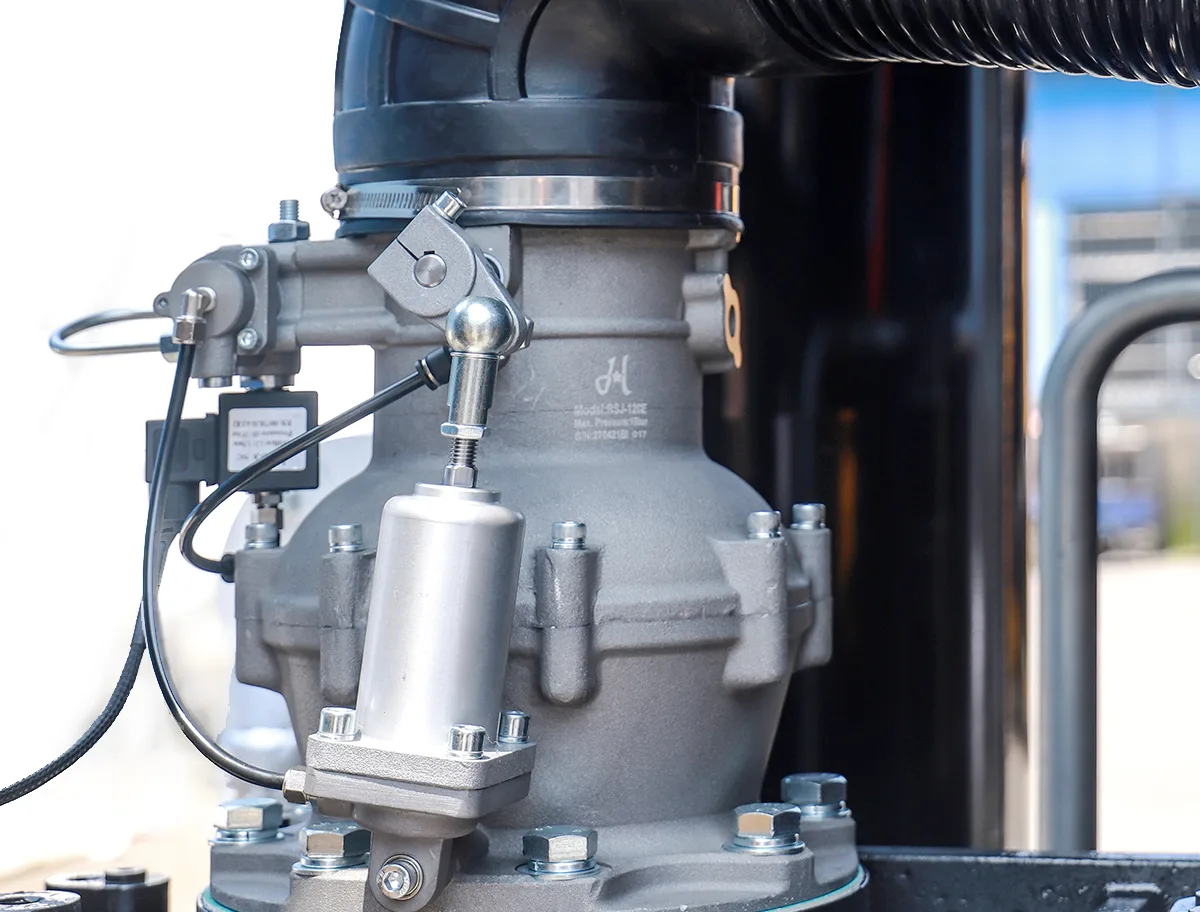
QiAir, a Chinese manufacturer and supplier of screw air compressors, sizes aluminium plant air from the process list and the worst ambient conditions on site, because a machine rated in clean air at 20 degrees delivers measurably less in a potroom bay at 40 degrees and above. The layout below starts with the air the potroom actually breathes and works outward to the extrusion press.
Potroom air: heat, dust, fume and magnetic fields
Potroom ambient conditions are the governing constraint. Temperatures near potlines routinely sit at 35 to 45 degrees, alumina and fluoride-bearing dust coats every surface, and strong magnetic fields around potlines can disturb unshielded electronics and motors. The compressor room therefore belongs outside the potroom atmosphere, with intake air ducted from the cleanest available location and the room ventilated for its full heat load. A machine that trips on high discharge temperature in July usually has a ventilation and intake story, not a mechanical fault, and in a potroom that trip lands during a shift that cannot pause.
Dust control is not cosmetic in a smelter. Alumina dust is fine and abrasive, and it clogs intake filters and cooler fins far faster than ordinary factory dust, while dust that passes the filter wears the air end. Pre-filtration on the intake, weekly filter pressure-drop checks in dusty bays, and cooler cleaning tied to production rather than to the calendar are the maintenance plan. Plants that log discharge temperature trends catch a fouled cooler weeks before it becomes a trip, and that early warning is worth more in a potroom than any spare machine sitting unconnected.
- Site the compressor room outside the potroom atmosphere and duct clean intake air.
- Check filter pressure drop weekly and clean coolers on a production-tied schedule.
- Ventilate for the full heat load and confirm capacity at peak potroom temperature.
Billet heating, extrusion presses and handling air
Downstream of the smelter, the extrusion plant has its own rhythm. Billet heaters, saws, stretchers, handling tables and press auxiliaries draw air in bursts tied to the press cycle, and a billet heating line that loses air mid-cycle can scrap a billet or force a reheat that costs both energy and press time. General plant air typically runs at 7 to 8 bar, and the sizing sheet should list every press auxiliary, its flow at working pressure, and which users truly run together when two presses cycle at once. Sizing on average press demand guarantees a sag at the coincident peak.
A receiver of 1,500 to 3,000 litres on a mid-size extrusion line absorbs those coincident press starts and keeps header pressure steady while the compressor responds, and a VFD machine follows the press cycle across shifts better than a fixed-speed machine idling through a die change. Where a specific user needs drier or cleaner air than the general header, such as a measuring or cooling station sensitive to moisture, a point-of-use dryer and filter beats over-treating the whole plant. Treat the press line as a set of timed loads, not as a single average number, and the header stops being the bottleneck.
Anode handling, reliability and the export buying check
Anode handling and pot tending are the loads that cannot wait for a service visit. A crane or tending machine that loses air mid-operation stops work over a live pot, so critical potroom air needs duty-and-standby capacity with automatic changeover, and a service arrangement measured in hours. Spares held on site should cover the items that actually stop a smelter air system: intake filters, separators, service kits and drain valves, not a warehouse of parts that never fail. Changeover should be tested monthly under load, because a standby machine that has sat idle for a quarter may have a flat battery or a stale controller fault waiting for the day it is needed.
Before ordering from China, an aluminium-plant buyer should document the air-user list with coincident demand, the compressor room peak temperature and dust level, the required pressure at the farthest user, and voltage and frequency. QiAir sizes export aluminium orders from that sheet, and confirms whether any part of the installation sits in a magnetic-field area needing shielded or specially specified electrics. Get the conditions in writing, and the machine that arrives is the one the potroom and the press line actually need.
Frequently asked questions
Why do compressors trip in aluminium smelters?
Usually high ambient heat near potlines combined with alumina dust clogging coolers and filters. Ventilation, clean ducted intake air and production-tied cleaning prevent most trips.
What pressure does aluminium plant air need?
General plant air typically runs at 7 to 8 bar. Size on coincident peak demand from potroom, heating and extrusion users, plus a margin for leaks and growth.
How much standby capacity should a smelter hold?
At minimum a standby arrangement covering critical potroom and handling air, with on-site spares and changeover tested monthly under load.
Related reading
- How to Choose the Best Screw Air Compressor Manufacturer in China for Your Factory
- Two-Stage PM VFD Screw Compressors: How a Top China Supplier Cuts Factory Energy Costs
QiAir is a Chinese manufacturer and supplier of screw air compressors. If you are sourcing a screw compressor from China — for a factory, a textile mill, a construction site or a new production line — contact QiAir for a sized quotation, documented performance data and export support.