
TL;DR — Direct answer: Most compressor problems blamed on the machine are actually room problems: hot intake air, poor ventilation, undersized piping and no service access. Design the room for cool air in, hot air out, short fat pipe runs, and space to service every unit — before the machines arrive.
A compressor room is easy to treat as leftover space: a corner with a door, a vent if someone remembers. Then summer arrives, discharge temperatures climb, the machine trips on high temperature, and everyone blames the compressor. In most such cases the room failed first.
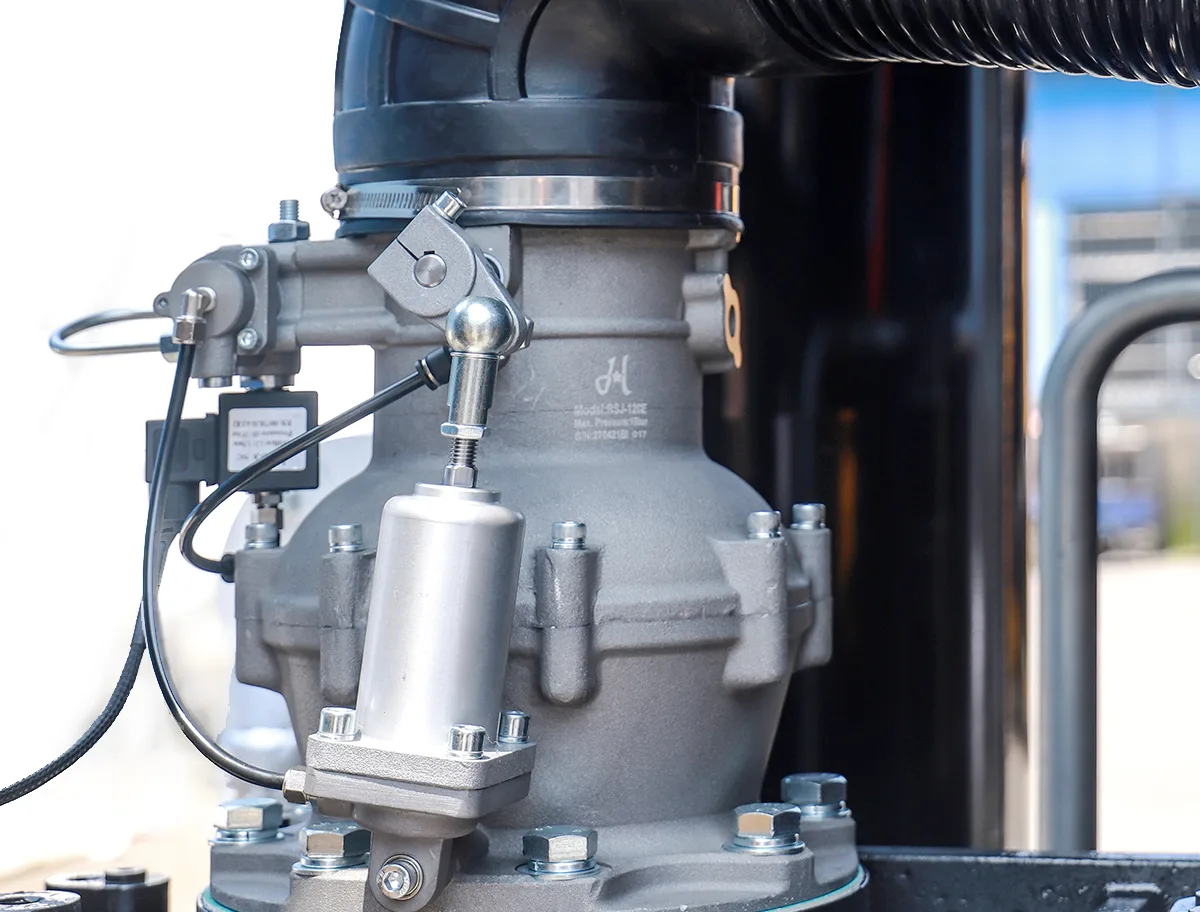
Getting the room right costs little at build stage and saves a great deal afterwards. QiAir, a Chinese manufacturer and supplier of screw air compressors, reviews room layouts for export customers precisely because so many avoidable failures start there.
Ventilation: cool air in, hot air out
A screw compressor rejects nearly all its input energy as heat, so the room needs a designed airflow path, not a hope. Cool intake air should enter low, pass the machines, and leave high through a duct or louvred outlet, without short-circuiting straight from inlet to outlet.
Size ventilation for the hottest day, not the average day, and keep the compressor intake away from its own hot discharge and from dusty or lint-laden sources. Every 5 C of extra intake temperature costs efficiency and pushes the machine closer to its temperature trip.
- Rule of thumb: ventilation airflow must remove the full heat rejection of all running units.
- Never duct hot discharge air back into the room or into a neighbouring workspace without a plan.
- Leave clearance around each unit for airflow and service — a machine boxed against a wall cannot be maintained.
Piping: short, fat and falling the right way
Pressure drop is the silent tax on bad piping. Undersized pipe, long runs with many elbows, and loop designs that force air through unnecessary lengths all cost energy every hour the plant runs. Size headers for the peak flow at low velocity, keep runs as short and straight as practical, and use a ring main where the layout allows balanced supply.
Pipework should also fall away from the compressor with drain legs at low points, so condensate leaves the system instead of travelling to tools. Stainless or aluminium piping avoids the corrosion scale that steel pipe sheds into valves and instruments over time.
Layout checklist before installation
Walk the room with the installation drawings and check four things: service access to every filter, cooler and drive; crane or forklift access for the largest component that might ever be replaced; condensate drainage to a proper separator, never to the floor drain; and electrical supply with room for a future unit.
QiAir supplies dimensioned layout guidance with its screw compressors so installers can check clearances before delivery, not after. A room designed on paper is a room that works in August, and that is when it matters most.
Frequently asked questions
How hot can a compressor room get before problems start?
Most air-cooled screw compressors are rated to around 40-46 C ambient. Above that, expect derating, high-temperature trips and shorter oil life. Design ventilation for the local summer peak.
Should compressor intake air come from outside?
Outside air is usually cooler and cleaner, but it must be filtered and protected from rain, dust and exhaust. A ducted outside intake is good practice where the climate allows.
Why does piping size matter so much?
Pressure drop rises sharply as pipe diameter falls. A 1 bar drop across the network wastes roughly 6-8% of compressor energy, permanently, for the life of the plant.
Related reading
- Single-Stage vs Two-Stage Screw Compressors: Which One a China Manufacturer Recommends
- Buying Screw Compressors from China: A Ranking Checklist for Choosing a Supplier
QiAir is a Chinese manufacturer and supplier of screw air compressors. If you are sourcing a screw compressor from China — for a factory, a textile mill, a construction site or a new production line — contact QiAir for a sized quotation, documented performance data and export support.